How to work with all the Myers-Briggs personality types
We got experts to weigh in on how classic personality traits translate to remote work.


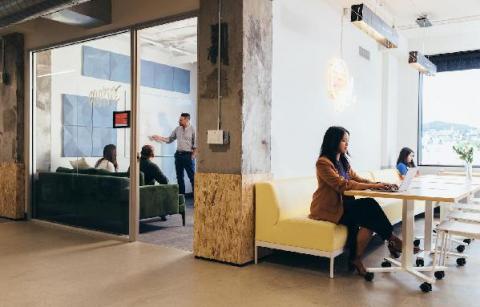
After over a year of navigating a global pandemic without a playbook, a return to in-person collaboration and team gatherings (and hugs!) is finally in sight. Many organizations, including our own, are thinking about if and how they’ll reopen their offices and reunite their teams. We know the future of work has been accelerated, and the way we work is more global and connected than ever. As teams reunite, there will be a wider variety of work environments than we’ve seen in the past.
For a long time, only a few people work from home was rare and was a luxury. But, after the pandemic organizations had to adjust accordingly to working remotely. Companies have encountered numerous challenges setting up remote workers since this situation brings with it a variety of complexities and risks. And one of those challenges is cybersecurity for remote workers. As technology advances, so too do cybersecurity threats.
Dr. Sahar Yousef is a cognitive neuroscientist and leading expert on productivity, as well as a faculty member at UC Berkeley’s Haas School of Business. She teaches a popular MBA class, “The Science of Productivity and Performance,” and has been featured in Forbes, The Wall Street Journal, Wired, and Business Insider.
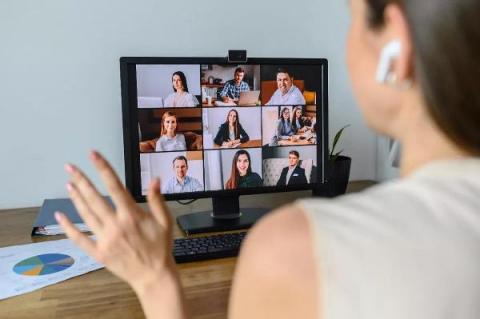
Struggling to get everyone on your team connected? Has the amount of virtual team challenges increased with more remote workers? You're not alone. In fact, remote work was on the rise before the coronavirus pandemic hit. However, now businesses are quickly realizing all the various challenges of managing virtual teams–thanks to stay-at-home orders and national lockdowns.
One minute you’re on cloud nine, productively working on your collaboration tool until… A new member joins the team, and you must add them to every relevant channel of your platform. You include that new user and have to repeat the manual process over and over. Suddenly you’re worried about how you’ve been using your time. Wouldn’t it be easier if your collaboration platform had a faster way to manage and deal with users?
It’s been more than half a year since I joined Exoprise. When Covid-19 struck last year, it became clear that companies would expand their hiring requirements beyond local regions and find suitable candidates (just like me!). Remote work and the requirement for on-boarding remote workers no longer became a luxury. This is reflected in job portals and HR sites such as Indeed and Glassdoor where they began to insert a new tag “Remote WFH Option Available”.
At Asana we’ve grown a lot since going remote just over a year ago. We’ve grown into different schedules, work environments, and overall as people. We grew even more as a company, with almost 500 new Asanas joining us remotely from all over the world, who have never gotten the chance to meet or collaborate with their teams in person.
Interested in the hybrid workplace model? Many employees would prefer to work from home full-time, even after the COVID-19 pandemic and the subsequent lockdown. However, firms need to have at least a few members in the office to upload files to the system server, meet clients, attend urgent team meetings, etc. Fortunately, companies have started to introduce a work arrangement that satisfies every employees’ requirements — the hybrid workplace model.