Keep your virtual team connected with these proven rituals
Check out how social-media company Sprout Social makes use of the Atlassian Team Playbook.


The first thing we need to establish is the fact that procrastination is thought to come from an emotional reaction to whatever it is you are avoiding. Researchers call this phenomenon “mood repair”, where we avoid the uncomfortable feelings associated with our work by spending time on mood-enhancing activities, like playing games or spending time on our phones.
Working in the office was a blessing. Traveling, and having water cooler conversations was fun for office-going people worldwide. And then the pandemic hit and forced everyone to work from home. After working in the office for years, can you even imagine running a business virtually without any concept of a physical office space? We’re going to talk exactly about that in this article, and more so, how to do it effectively! Running a virtual company is not a foreign concept.
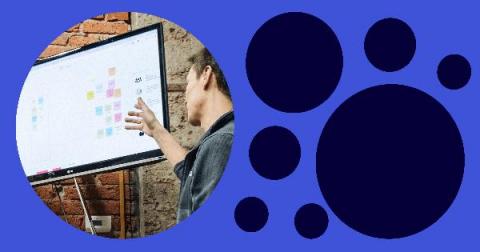
Workshops are serious business — they tackle meaty material and move at a brisk pace, so it’s key to keep your team dialed in and following along. That was challenging enough for in-person workshops. For remote workshops, it can feel herculean. But great news — here are some creative ideas, tips, and techniques for grabbing and keeping your team’s attention from afar. Contributing Writer at Miro John Cockrell covers topics for Miro on all things remote collaboration.
Remote work has been one of the great success stories of the COVID-19 pandemic. It has made employees happier and more productive, and has provided major cost savings for some employers. Working remotely is now considered by many to be the future of work. Despite all the positives that workers have enjoyed while working from home, some people are still anxious to get back to the office. Some employers want their teams back where they can see them as soon as possible.
The shift to remote work has disrupted many traditional organizational processes and company cultures. Too many of our day-to-day activities are quite challenging to replicate virtually. Now, shoulder tapping and meetings have become even more of a burden, and it seems more difficult to keep employees feeling happy, appreciated, and engaged with their work and colleagues. The struggle is real.
The shift to remote work has disrupted many traditional organizational processes and company cultures. Too many of our day-to-day activities are quite challenging to replicate virtually. Now, shoulder tapping and meetings have become even more of a burden, and it seems more difficult to keep employees feeling happy, appreciated, and engaged with their work and colleagues. The struggle is real.
As of mid-March, 12 months have officially passed since hundreds of millions of people around the world began working remotely to help slow the spread of the newly emerging coronavirus. What many of us thought might be a month or so of “flattening the curve” has now been a full year of working from our homes, with far-reaching effects on our relationships, processes, and work habits.