

Much to the joy of employees everywhere, "bring your own device" (otherwise known as BYOD) is a movement that has become common in the workplace. On the one hand, it makes a certain degree of sense. Why wouldn't you want your employees to be able to use the smartphones, tablets, and other types of mobile devices that they're already comfortable with?
Looking for some effective team building exercises to bring your team together? As a former leadership trainer and coach, I have run several types of team building activities for teams of several sizes – with participants ranging from entry level employees to C-level executives. But with COVID-19 disrupting businesses all over, most teams have been forced to go remote. So how do you run team building games for remote teams? Don’t worry! You can always run virtual team building activities.
Is working from home as effective as working from the office? Learn more about productivity at home and how you can improve your remote team’s focus with Workpuls.
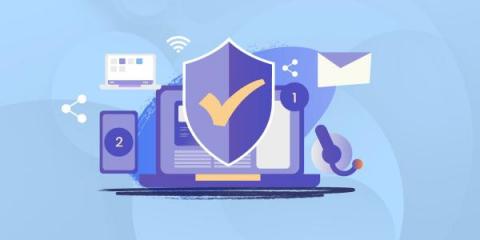
Digital workplace solutions have played a huge role in streamlining the shift to remote work. It has improved the employee experience and organizational productivity and made work-from-home almost as smooth as in-office work. While it has certainly made work life easier for both employees and managers alike, from a cybersecurity standpoint, having a single integrated interface with all the data from the organization in one place leaves the company vulnerable.
This article originally appeared on Inc. The evidence is clear—the future of work is hybrid. According to research by Gartner, 82% of company leaders plan to allow their employees to work remotely after the pandemic at least some of the time. Yet implementing a hybrid work policy is far from straightforward. Perhaps most concerning is the potential for hybrid workplaces to breed two tiers of workers, with those who come into the office less frequently relegated to lower status.
We are familiar with technological evolution — the advancement in technology, the lightning-fast information exchange, and the subsequent changes in the way we live, and work today. It takes time to catch up with the changes, but eventually, it works well for most of us.
We all spent a year getting used to remote work; now, the big question is how do we transition back to the in-person work pattern in a new world with Covid-19? Or should we transition back at all? In a study of workers by Buffer (both pre-pandemic remote workers and workers who became remote during the pandemic), 97.6% confirmed they would like to continue working remotely at least some of the time.
Worried about whether your remote workforce is working or not? Don’t be! With the right employee monitoring software, you can easily keep track of your remote workforce. These software track and monitor how much time a remote worker spends on a specific task, site or app. This helps you get a better idea of what they’re up to during work hours. In this article, we’ll give you 10 tools to monitor your remote employees and ensure they’re always productive.