

Teams | Collaboration | Customer Service | Project Management

How Content Technology is powering Atlassian's AI quality

AI can sound confident about almost anything. The challenge is making sure it’s right. At Atlassian, Content Technologists are building the systems, standards, and structures that help AI deliver better outputs, removing the burden from our customers of knowing what information to trust.
CurrentWare just got smarter about AI, inside your workplace and inside the product

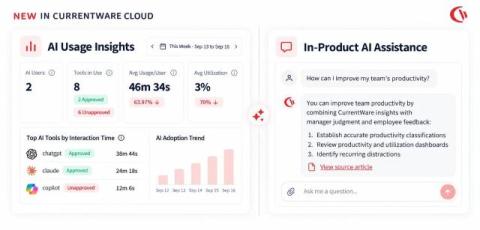
AI is changing both how employees work and how IT teams manage the tools they rely on. We are building for both. This week, we added two new AI capabilities to CurrentWare Cloud. AI Usage Insights is the workplace side that shows you which AI tools your employees are actually using, how adoption is trending across teams, and where unapproved tools are showing up.

How Asana uses AI Teammates to scale competitive intelligence across a sales team of hundreds

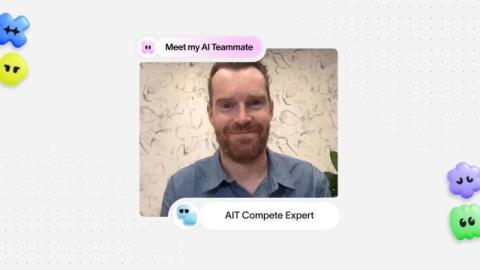
When Andrew King, who heads up competitive intelligence at Asana, needs to help a sales representative win a deal, the information has to be exactly right. This means sourcing specific, current details customized for each individual rep. King supports a 400-person sales team. Each rep is working different deals, facing different competitors, and at different stages of the sales cycle.

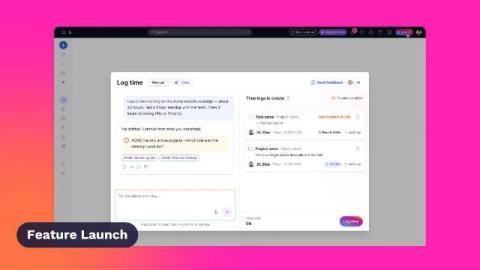
AI time logging: your timesheet, already written

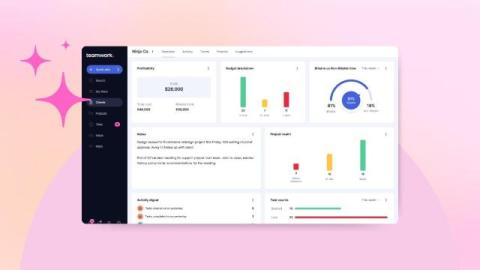
Open the Log Time modal in Teamwork.com, click over to the Log my day tab, and the entries are already there: an hour on a client kickoff call, thirty minutes on competitor research, two hours drafting a homepage design. Teamwork.com built each of these from the tasks and projects you actually worked in today, before you typed a single word.

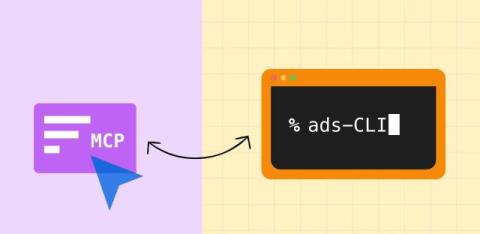
Giving AI agents design system context from the terminal: what we learned building a CLI

Earlier this year, we wrote about turning Atlassian Design System guidance into structured content that AI agents can actually use. Since then, agents have reached that content through our MCP server tools and an agent skill. We recently added a third distribution method: a command-line tool. The first question from our own engineers was a fair one: Why ship a CLI when you already have an MCP server?

Outcome-as-a-Service (OaaS): Why AI Is Changing the Future of Enterprise Software

AI has changed how much software can do—but has the SaaS model kept up? As enterprises adopt more AI tools, they are also dealing with software sprawl, rising AI costs, complex implementations, and the challenge of turning AI capabilities into measurable business results. This is where Outcome-as-a-Service (OaaS) comes in. In this video, we explore why organizations may be moving from simply buying access to software toward paying for measurable outcomes and execution.

Put AI agents to work across your business | Zendesk Specialized Agents

One AI agent can’t do it all. Outcomes take a workforce. Meet Zendesk Specialized Agents: Built for specific work, customizable to your workflows, and ready to turn intent into action. Generic AI had a good run. Zendesk makes customer and employee service better. We build software to meet customer and employee needs, set your team up for success, and keep your business in sync.

The leadership advantage AI can't automate: Attention

As AI accelerates work, leaders need to be more deliberate about what technology takes off people’s minds and where human attention can create the most value. AI promises to help organisations move faster. But at two Asana executive dinners held in Sydney and Melbourne in August, a different leadership question emerged: what should we choose not to accelerate? The challenge is not finding more hours in the day, but creating better conditions for the hours people already spend.

What AI work management actually means for client delivery teams

Most vendors sell "AI work management" as a prettier board with a chat box. That framing is too small for anyone running paid client delivery. AI work management is the operating layer that decides who does what, when you can safely promise dates, and what the work actually costs. It also decides which parts a supervised AI agent can take without wrecking trust. Before I joined Teamwork.com, I saw the spreadsheet version of that job repeatedly across agency environments.