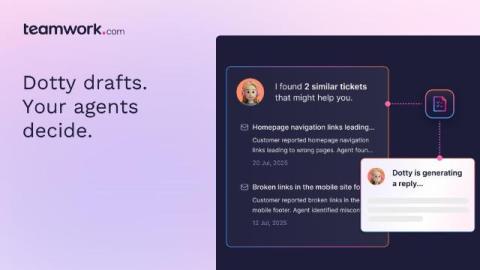
Every ticket your team closes today makes the next one a little easier. That's not a metaphor, it's literally how Dotty works. Dotty is the AI Teammate built into Teamwork Desk. It drafts replies from your help docs and resolved tickets, surfaces the ticket that already solved this exact problem, and summarizes hand-offs so context isn't lost. Your agents review and send: nothing goes out untouched. But the real story isn't any one of those skills. It's what they're building together.
Most "AI transformation" conversations stop at strategy. The harder problem is what actually changes in how a team works day to day. In this episode of Miro Reframe, Josh Guice — Principal Architect at Liatrio — shares a year of real field notes from AI enablement engagements: watching product managers shape ideas before engineering ever sees them, replacing slide-deck training with pairing and teach-back, and learning that no workflow sticks unless the team structure around it changes too.
Pulling data from multiple tools, synthesizing it, and drafting exec-friendly insights used to eat up hours. See how Asana’s Campaign Analyst AI Teammate surfaces what needs attention — so you can focus on where to move budget, whether to pause a channel, and when to escalate. Chapters.
80% of workers say AI makes them more productive. So why are companies struggling to turn those gains into real business impact? The problem might not be the AI itself. It could be the invisible coordination tax hiding between tasks, teams, and workflows. In this video, we explore the AI ROI paradox, why isolated productivity improvements often fail to deliver enterprise-wide results, and how Agentic AI could help close the gap.
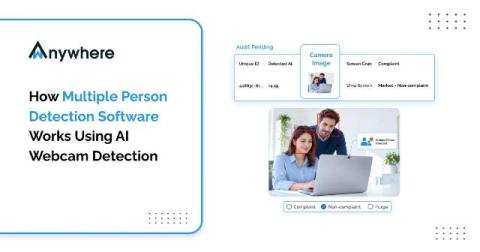
Multiple person detection software uses AI webcam analysis to count the people in front of a work screen and alert security teams when anyone other than the authorized user appears. It runs face and person detection on sampled frames, tracks faces over time, verifies the logged-in employee, and applies policy rules such as blurring the screen or locking the session.
A product manager posts a status update in the team channel on a Tuesday morning. It is four tidy paragraphs, bolded headings, a closing line that says the team “remains committed to delivering value.” Two engineers react with a thumbs up.
At ARM Creative, a single campaign can span broadcast TV, over-the-top (OTT) ads, radio, Spotify, paid social, display, and retargeting—all running at once, each with its own deadlines, specs, and approvals. It used to be that campaign updates lived in email threads, while feedback was scattered across Slack and inboxes. Without a shared system, it was difficult to see whether a deliverable was approved, in progress, or falling behind.
Teamwork.com is introducing AI credits. If your first question is “what’s this going to cost me?”, the short answer is that your credits come included with your plan, at no extra cost. Your plan price stays the same, and most of the AI you use day to day doesn’t use credits at all. What changes is how the bigger jobs you hand to AI are covered, like asking Ask AI for a report or having an agent prepare a client update.