
Teams | Collaboration | Customer Service | Project Management

WFH Computer Activity Tracking vs. Invasive Spyware: What Modern SMBs Need To Know

In 2026, as hybrid and remote work continue to affect the modern workplace, small and mid-sized businesses (SMBs) are once again considering how to manage and keep track of their dispersed workforces. The Gallup 2026 Hybrid Work Indicator shows that 78% of U.S. employees in jobs that allow them to work from home either work in a hybrid arrangement (52%) or are entirely remote (26%), with flexible work having become the main working model for roles in the knowledge sector.

What should we choose to keep human in the age of AI?

I’m TJ Power, a neuroscientist, no.1 bestselling author of The DOSE Effect, and the founder of DOSE Lab. Over the last 12 months, my team and I have been laser focused on a new question: how can we help society build successful brains that are ready for the AI future? Recently, with Asana, I hosted a series of dinners in Sydney and Melbourne for C-suite executives.

10 Help Desk Workflow Examples to Implement Right Away

Navigating the complexities of IT Service Management (ITSM) can be challenging, but mastering help desk workflows can make all the difference. They are the backbone of efficient service operations, ensuring that tasks are handled swiftly and consistently. In this article, we’ll dive into the world of service desk processes, highlighting how workflow automation can revolutionize your operations.

AI-First Enterprise: How AI Is Changing the Way Businesses Work

Over the past year, many companies have moved from simply experimenting with AI to integrating it into their core business operations. From customer service and analytics to communication and workflow automation, AI is becoming an integral part of how modern organizations operate. Even companies in highly competitive digital markets, such as eSIM Plus, are increasingly looking for ways to use AI to make their products, services, and customer experiences more efficient.

A Device Provisioning Checklist for Remote Teams'

Most organisations can describe their hiring process in detail and their device process not at all. The laptop is ordered, it arrives at an address nobody has visited, and somewhere between the courier and the first standup a set of decisions gets made by whoever happens to be available. That is how a distributed team ends up with eleven slightly different machines.

WhatsApp in Social Care: The Compliance Risk and What Replaces It

It's a familiar story. A social worker gets a message from a client on a Saturday. A family needs to move a home visit. A colleague forwards a photo of a document that has to be dealt with before Monday. None of it goes through an official system. All of it goes through WhatsApp, because that is where the client already is, and because it works.

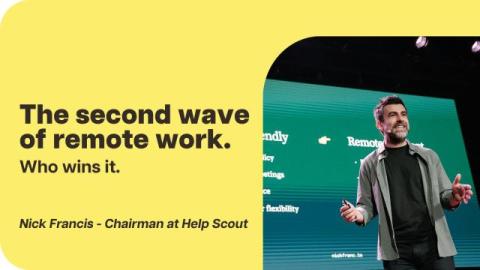
Remote-friendly is not enough anymore. Here's what remote-excellent looks like

The first wave of remote work had a low bar. Companies went remote because a pandemic gave them no choice. Being remote at all was the differentiator. The second wave is different. It is voluntary, which means it is competitive. Companies now choose whether to offer remote flexibility. Which means the employees choosing to work for them have genuine alternatives. According to Buffer, 98% of workers want remote work at least some of the time. 46% would consider leaving if forced back to office full-time.

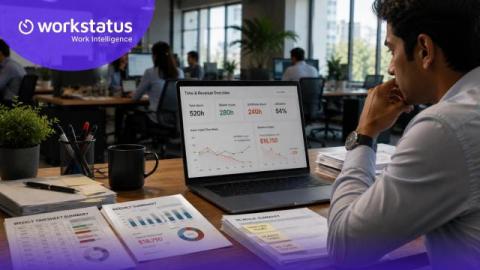
Time Leakage: Why Your Business Is Losing Revenue Every Week

Your delivery team is executing projects on time. Utilization looks strong across the board. Your team worked the hours and billed the clients. But when you close the month and reconcile billing against time records, something doesn’t add up. The hours your team worked don’t match what you charged. The projects that look profitable on paper aren’t. And the margin you expected has quietly disappeared.