

Teams | Collaboration | Customer Service | Project Management

The four functions of management: Overview + examples

Being or becoming a manager can feel like a daunting task in today’s business world. This is especially true if you’re new to management, recently stepped into a higher-level or unfamiliar role, or leading a rapidly growing company. While we can’t solve all the growing pains you face, we have some great news: No matter your industry or your level of management, you’ll perform the same set of four functions as a manager.


10 best practices to effectively manage distributed teams

Working from home is the new norm, with most employees embracing remote work. Flexible work models have plenty of benefits for both employees and companies while having little to no negative impact on productivity levels. However, distributed teams have their own challenges. Managers must adapt to workers in different time zones, implement asynchronous communication, and ensure remote workers are still engaged.

Leadership Skills in the Workplace

There is no question that effective leadership skills are essential for anyone who wants to succeed in business. In a constantly changing and evolving world, the ability to lead and persuade others is more important than ever. However, many people don’t know where to start when it comes to developing their essential leadership qualities. We’ve put together this list of 10 ways to increase your leadership skills!

Why asking, "How are you feeling today?" is so important for managers leading through change

When you’re driving change to your stakeholders—be it the executive team, your employees, the board, or even the customers—the situation comes with its own gravitational force. “You have every opportunity to lose trust and to see it erode. So being genuine and getting it right really matters,” Anna Binder, Asana’s Head of People, explains to me in her matter-of-fact style during a recent phone call.

7 Best Practices for Managing Teams With Different Backgrounds

A company having a diverse workforce with different backgrounds is always tricky to manage. However, it is the responsibility of a manager to ensure that every member of the team is working as productively as they possibly can, even if that means taking the time to understand each person. The most effective teams are created when a manager is aware of the advantages and disadvantages of each employee, knows how to make the most of each person’s special skills, and promotes teamwork.

How to Motivate an Underperforming Employee: A Comprehensive Guide

Ah! The never-ending quest of keeping your staff motivated. We know how difficult it can be to deal with an underperforming employee. They may be dragging down the rest of the team or taking up valuable resources that could be put to better use. In some cases, it may even seem like they are trying to sabotage your company. It can be tricky to know how to handle the situation, but don’t worry – we’re here to help!

Creating A Strong Remote Work Culture Within Your Organization: Tips and Tools

The COVID-19 pandemic ushered the world even further into the digital age. Companies in all industries had to adapt to remote working conditions with little time to prepare. This presented many challenges – communicating effectively with employees working from home, monitoring progress on key initiatives, ensuring deadlines are still met, continuing to grow as a company, and many more.

Leadership Skills Every Manager Should Have

Every business wants to perform excellently. The company always has goals that should be achieved, and successful leaders in the company are role models for running the business successfully. Which leadership skills does every manager need? How can you manage your strong leadership skills effectively? This article will explore every manager’s leadership skills to run the business successfully. Let’s dive in!

Micromanaging Your Team: The Dangers of Micromanagement and How to Avoid Them

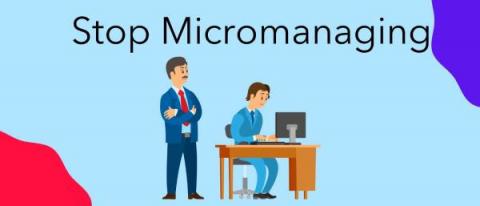
Micromanaging is one of the top reasons employees leave their jobs. It tells your team that you don’t trust them, making them feel incompetent. Micromanaging is bad for your team, but it’s also bad for your business. In this blog post, we will discuss the dangers of micromanaging and how to avoid it!