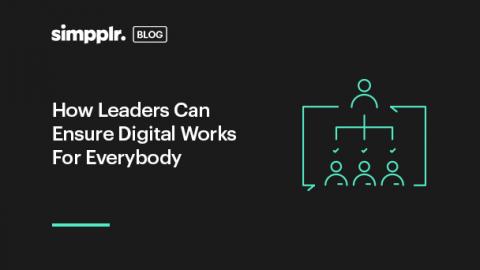


What makes a great leader? When Chris Hadfield was commanding the International Space Station, he learned that it’s not about seeking out individual greatness to make yourself look good. Instead, he found that excellent leadership is about building up the people around you: trusting them, empowering them, and ultimately, enabling them to contribute their expertise so that the team can become more than the sum of its parts.
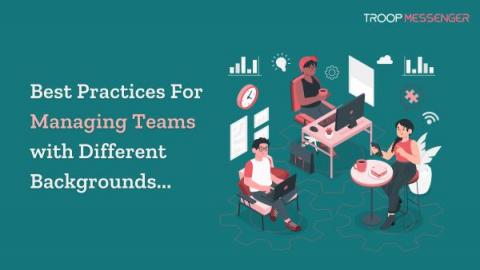
No matter the domain, managing teams, is one of the challenging and crucial duties for every manager. A manager will be recruited for more than just managing the Company's finances, profit, and loss; managing the team and groups is also a necessary duty. The most significant error made by small to large businesses is choosing employees for promotions or hiring based on their knowledge of the sector rather than their people management skills.
The world has become increasingly politically polarized, and leaders of its biggest companies aren’t immune. When a CEO shares their view on a divisive issue—via a tweet, an op-ed, or monetary donation—they will create admirers and enemies. However, taking a stand is increasingly seen as a signal of their authentic character and, by extension, leadership style. Every CEO takes a risk when they become sociopolitically active, and that decision has downstream effects.
Who would have thought 20 years ago that we would lead teams through a screen? Yes, the pandemic has forced us to change the way we interact with people. Leadership has evolved, and nowadays, the way we work and interact has drastically changed! As we know how tough it can be to stay connected with your remote team and to maintain a good working relationship with your remote employees, we have compiled the best tips for building a virtual bond with your remote team! Stay tuned.
Editor’s note: Digital transformations can frustrate employees if leaders don’t communicate opportunities to learn new skills. Successful change initiatives depend on structured communications for long-term sustainability.
Being or becoming a manager can feel like a daunting task in today’s business world. This is especially true if you’re new to management, recently stepped into a higher-level or unfamiliar role, or leading a rapidly growing company. While we can’t solve all the growing pains you face, we have some great news: No matter your industry or your level of management, you’ll perform the same set of four functions as a manager.
Working from home is the new norm, with most employees embracing remote work. Flexible work models have plenty of benefits for both employees and companies while having little to no negative impact on productivity levels. However, distributed teams have their own challenges. Managers must adapt to workers in different time zones, implement asynchronous communication, and ensure remote workers are still engaged.