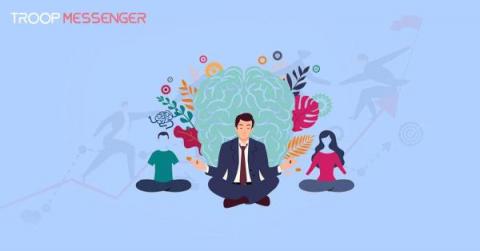

As a manager, you will want to do whatever you can to support your employees’ mental health and well-being. After all, employees who feel happy at work are 13% more productive and are much more likely to approach the inevitable obstacles of their job proactively. Individuals who have a good work-life balance are also healthier and will thus require less time off. With their mental health and well-being nourished, employees are much more able to give their best every day.
Management styles can be a polarizing topic, with many people believing there is only one right way to do things. However, this isn’t the case. In fact, there are a variety of different management styles that can be successful in different situations. This article explores seven of the most common positive management styles and shows you how they can help you lead a successful team. Ready to give some of these styles a try? Let’s get started!
A challenge that’s increasingly common in workplaces today is that many generations often work together in one team. Managing a cross-generational team can be challenging. The generation gap between members requires managers to understand the unique habits, behaviors and preferences of different generations. A prime example of age differences is in the use of technology.
Workplace conflicts can be a challenging experience for everyone involved. Whether it’s a disagreement over work responsibilities, miscommunication, or something more serious, they can lead to tension and frustration. In this article, we provide you with 8 effective strategies for resolving workplace conflicts. Hopefully, this will help you to avoid any conflict before it gets out of hand, and help you to reach a resolution that is beneficial for all parties involved.
When Figma CEO Dylan Field gave his keynote at Config, the company’s annual design conference in April 2021, he took the opportunity to restate a core value. More than a year after Covid-19 sent millions into physical isolation, Field’s message carried new gravity: “Nothing great is made alone.” During his 22-minute presentation, he revealed that nine-year-old Figma was debuting a new product called FigJam. It felt particularly appropriate for the moment.
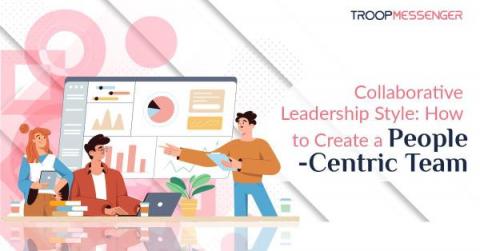
In this article, we will explore the world of collaborative leadership. What is it? Why do people need to learn it? How can you implement it in your company? And last but not least, how do you get started on the journey toward creating a people-centric team? The collaborative leadership style is a style of leadership that focuses on creating a culture where employees feel supported and valued as individuals.
If you’re a leader, you’ve hit a “leadership roadblock” at some point: Whether you’ve been in leadership for a long time or have just recently transitioned into a leadership role, leadership walls or roadblocks happen to everyone eventually. As one of the four key functions of management, leadership is an integral part of every manager’s job. Leading well requires finding new tactics and strategies to overcome even the most complex leadership challenges.