Teams | Collaboration | Customer Service | Project Management


The latest News and Information on Collaboration, tools and related technologies.


How to level up your customer-centric marketing strategy with 3 templates
Customer-centric marketers are laser-focused on the customer experience. This strategic approach challenges marketing teams to better understand customers so they can offer value at every interaction based on customer needs and interests. Teams who adhere to this approach often invest a lot of time and energy understanding the psyche of the customers who matter to them most.

LinkedIn's first steps towards a centralized notification strategy
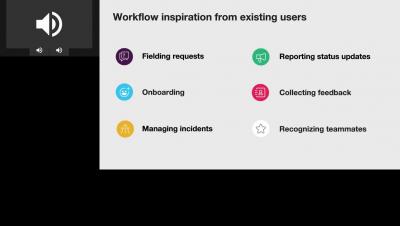


How to Use Miro Templates

5 most important data protection trends in 2022 and beyond
Data protection is giving more and more headaches to businesses. Data privacy regulations are profoundly affecting the way organizations approach their data security. However, fines for improper data management is not the sole reason why companies are enhancing data protection methods. Namely, customers are more aware than ever of how their data is being handled, and they are increasingly interested in how organizations approach data protection.

Data privacy: most important regulations and 5 tips on data protection
Data privacy is one of the major trends in a highly digitalized world. As products and services become more digital, there is more concern about misuse of data and personal information. Countries around the world are passing laws concerning data privacy, and some of these laws are industry-specific. In this article, we will approach the topic of data privacy for businesses.
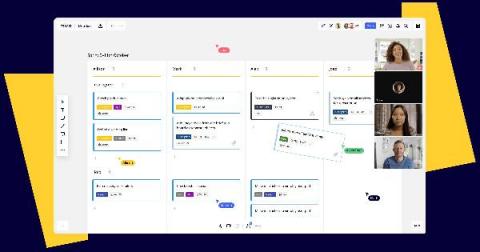
Introducing the Miro Professional Network
Whether you’re a freelancer, consultant, or small agency, chances are, the way you meet and collaborate with clients has changed a lot over the past year. And with remote, hybrid, and distributed work environments here to stay, Miro’s collaborative online whiteboard offers a more flexible, future-proof solution for getting things done seamlessly—in-person or across the globe.
Everything You Need to Know About BYOD Security (2021 Guide)
If your company allows employees to use their personal devices for work (Bring Your Own Device), you need a BYOD security policy . Today, most companies incorporate a BYOD culture due to rising remote work demands following the pandemic. While this may leave you open to cyberattacks and data breaches , a robust security policy can help mitigate any such BYOD risk. In this article, we’ll discuss why you need BYOD security and how to create an effective BYOD policy in just eight steps .