

Teams | Collaboration | Customer Service | Project Management

Turbocharge your CX with Zendesk and AWS

The pandemic dealt some heavy blows to the retail industry. Lockdowns, short tempers and supply chain issues were just a few of the challenges that business owners have faced over the past three years. But retailers who got creative – and engaged with their customers in new and innovative ways – surged past the competition. Learn how to boost your retail CX with Zendesk and AWS.


Miro now integrated with AWS AppFabric: Connect your SaaS apps and improve security

For the past few years, especially as hybrid and remote work have become normalized, enterprise organizations have become reliant on an increasing number of applications and cloud-based platforms to streamline collaboration and improve productivity among teams and individuals. Companies are incentivized to ensure their tools are accessible to everyone and that work remains frictionless, all while ensuring their data stays safe.

Miro and Amazon Web Services enabling the future workplace today

The recent pandemic has changed the way we work and has forced millions of people to work from home. This shift has brought an unprecedented need for businesses to collaborate virtually. Miro, an online workspace for innovation, was on the front line of this change and quickly grew from 5 million users in May 2020 to 10 million in November 2020. Thanks to AWS, Miro has been able to handle this hyper-growth and serve over 50 million users today.

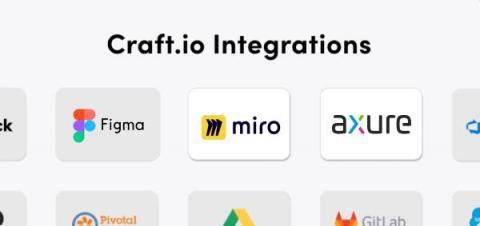
Craft.io Now Integrates with Miro and Axure

Craft.io is continually adding more workflow capabilities to our end-to-end product management platform. Recently, for example, we announced Craft.io integrations for design tools Figma, Adobe XD, and InVision. And now, you’ll find even more visual collaboration tools integrated into your Craft.io workspace — specifically Miro and the wireframing and prototyping app Axure.

On-premise solutions: 5 reasons why they're getting more popular

Lately, on-premise solutions are experiencing an upsurge. Although many companies choose cloud computing for its convenience and scalability, organizations prioritizing airtight security, complete control, and privacy prefer leveraging on-premise solutions. On-prem deployment has many unique benefits businesses can capitalize on, such as in-house storage of data and software, lower network bandwidth cost, easier compliance, and more.

Pros and Cons of Self-Hosted software Over The One in Cloud

Like it or not, cloud services have entered our lives. Kids play online, adults upload photos to the cloud, IT professionals create sophisticated software, and big businesses like Google, Amazon, and Microsoft have long relied on big data centers. The only question left is which is better: self-hosted software or the one in the cloud. On the one hand, a self-hosted server gives you complete control, but on the other hand, the maintenance costs are much higher compared to computing in the cloud.

Sponsored Post

What's Using Your Bandwidth? Here's a Monitoring Tool

Bandwidth monitoring provides IT administrators with the assurance that the network has sufficient capacity to run business-critical applications. In addition, network ops team have end-to-end visibility to identify network hogs that cause the congestion. Typically, when a single component overloads in any network, it can bring the entire operation to its knees and impact the employee digital experience. For example, even if you may have a dedicated service plan from your ISP, employees will end up complaining about issues like large file transfer time and slower applications.