Teams | Collaboration | Customer Service | Project Management

How to Innovate Easily: From Idea to Action

Unlock your team’s innovation potential with Miro! In this video, we’ll walk you through three key phases of turning an idea into action: Problem Discovery, Defining the Solution, and Delivering the Solution. You’ll learn practical tips, discover helpful frameworks, and see real-life examples of how Miro can streamline the innovation process. Whether you're looking to solve complex challenges or simply improve your creative workflows, this video will show you how to turn ideas into outcomes faster and easier.

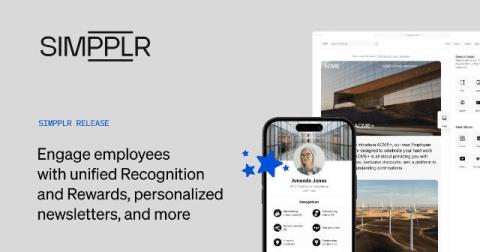
Simpplr's newest product features and updates: Engage employees with unified Recognition and Rewards, personalized newsletters, and more

From unified Recognition and Rewards to employee newsletters with built-in survey promotion and segment-based branding — here’s what you need to know about Simpplr’s latest product releases to deepen employee engagement.

How to Identify and Prevent Excessive Tardiness at Work

Let’s say you have a perfect employee: Stan. Stan’s the man. He’s the most efficient worker you have, is very personable with customers, and generally boosts team morale when he’s around. The only problem is that he tends to come to work 10-20 minutes later than starting time. That means that Stan is not a perfect employee. In fact, he’s a borderline harmful one — even if he doesn’t mean to be.

10 Employee Management Software for Busy HRs

Managing people is at the heart of every successful business, whether running a small startup or leading a large team. That’s why more HR teams are turning to employee management software to make life easier. It helps streamline everything—onboarding, payroll, performance reviews—but with so many choices, finding the best employee management systems can feel like a lot to tackle.

10 Best Workflow Management Tools for Optimized Team Productivity (2024)

There’s a clear shift in how employees want to work. Gartner research claims that for 63% of candidates, a four-day workweek is the biggest draw for getting attracted to a job. The rising cost of work is also driving employees to demand creative hybrid options. This dynamic environment demands organizations empower employees with the right workflow management tools so that they can work smarter, not harder.

What is an Employee Management System (EMS)? Understand in Detail

Having an affordable, engaging, and simple-to-use management system is all a company can ask for. In the changing business environment, managing a growing team can be difficult. Tracking attendance, employee performance, or handling payroll, all these tasks can pile up. To manage this clutter, you need a centralized system that can take care of all these aspects. This is where an employee management system comes into the picture.

5 Quick Solutions for Consulting Firms Struggling with Project Delivery

Project delivery can be a major hurdle for consulting firms. Whether due to limited visibility, lack of transparency, poor coordination, or mismanaged client expectations, consulting firms face unique project management challenges that, if unaddressed, can delay project timelines and impact client satisfaction. To stay competitive and deliver on promises, consulting firms must adopt strategic solutions that improve their approach to project delivery.


4 Challenges and Solutions for Growing Shared Services Teams in Enterprise Companies

As enterprise organizations scale, shared services teams play an essential role in supporting internal departments and driving efficiency. From HR and IT to finance and legal, shared services teams streamline operations, reduce costs, and enhance internal client satisfaction. However, as these teams grow, they face unique challenges that can affect their ability to support internal departments effectively.

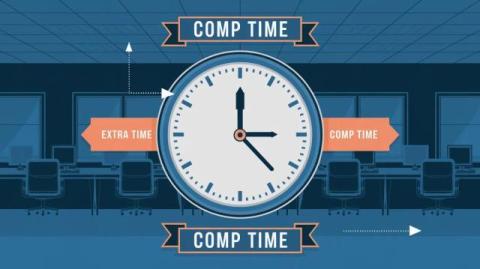
Compensatory Time: What It is and How to Calculate It

Compensatory time (or "comp time" for short) is a time off that employees get instead of overtime pay. For example, if you work an extra four hours on a busy Thursday, your employer might give you six hours off another day instead of paying you overtime wages. It's like a "time in the bank" system - you put in extra hours now and take them back later when things are slower.