Refine your hybrid work model with real data—not assumptions—from remote workforce monitoring tools to boost focus, fairness, and flexibility across your workforce.
Generation Z (also known as Centennials) bring their smartness and strong work potential to the table with their quick learning capability and unique perspective. In order to leverage the full potential of Gen-Z employers need to provide a flexible work culture offering a balance of professional and personal lives. Gen-Z is born between 1996 to 2010. They are the second youngest generation lying between millennials and Generation Alpha.
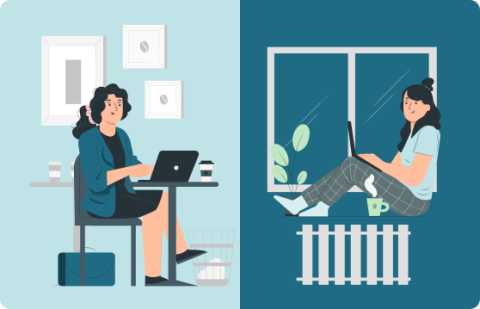
A hybrid work culture means you get to experience the best of both the worlds–working remotely and in-office. When coming to the adoption rates, it is observed that over 64% of businesses around the world are operating on a hybrid work setup, emphasizing the emerging shift towards how we work. Now the question arises– Is your organization already a part of this trend or are you now considering to run your business operations with a hybrid work model?
Discover how to redesign hybrid work for better engagement and productivity using monitoring software for remote workers. Learn to track remote workers’ productivity, foster collaboration, and build trust with data-driven strategies and workforce insights.
Struggling to keep your hybrid teams connected and productive? Workstatus is here to help! In this video, discover how Workstatus, an all-in-one workforce management tool, addresses key challenges faced by businesses with hybrid work setups — from communication breakdowns to productivity tracking and task management. What you'll learn in this video: How Workstatus enhances team collaboration Productivity analytics and time tracking Managing projects with ease Building transparency and trust with detailed reports & optional screenshots.
Today, hybrid workplace strategies are a revolutionary approach to workplace management. Integrating remote and in-office work improves procedures and gives employees greater freedom. As COVID-19 has advanced hybrid work model deployment, businesses utilize its long-term benefits, such as greater employee happiness, cost efficiency, and access to a global labor pool. Successful hybrid workplace implementation requires careful planning, open communication, and cutting-edge technology.
Have you heard about the silent rebellion reshaping workplaces in 2024? It’s called a hushed hybrid, a subtle but powerful movement in which employees and managers silently resist strict office mandates to prioritize flexibility and productivity. Think of it like a basketball team running an unexpected play—not part of the original plan, but something that works better at the moment.
As the post-pandemic work environment evolves, Google's shift to a hybrid work model signals changes in the tech industry. Discover the implications of this change and how your organization can leverage tools like Insightful to manage remote and in-office teams effectively. Dive into our in-depth exploration of the current trends, impacts on the broader landscape, and ways to leverage hybrid work tools.
The hybrid work model has rapidly gained popularity, offering employees the flexibility to split their time between working remotely and in the office. This approach caters to a range of preferences, helping businesses strike a balance between productivity, collaboration, and employee satisfaction. However, implementing an effective hybrid work schedule comes with its own set of challenges, such as ensuring fairness, maintaining cybersecurity, and fostering collaboration.
The shift to hybrid work arrangements emanating from digital transformation initiatives, with some employees operating remotely and others from the physical workplace by organizations globally, radically changed how people conduct business. With employees scattered across different locations, it has become increasingly important for organizations to find ways to maintain their productivity levels and efficiency while ensuring that their workforce remains connected.