
Teams | Collaboration | Customer Service | Project Management

The latest News and Information on Project Management, Methodologies, Productivity and Tools.

Project Management Timelines: Your Ultimate Guide

Don’t use simple to-do lists to manage complex projects. These basic lists leave lots of room for errors, like missed tasks and dependencies. Which lead to project delays, frantic resource shuffling, and frustrated teams and clients. Instead, use a project timeline that provides a clear, visual roadmap of all parts of the project. We’ll cover the ins and outs of different types of timelines. And how to build a realistic one that still lets you adapt to unforeseen challenges.
Why compliance in business is the key to long-term success

Compliance in business refers to the practice of adhering to laws, regulations, and internal policies that govern an organization. It is essential to make sure that companies run efficiently, morally, and lawfully. In addition to shielding businesses from legal problems, compliance fosters a happy workplace, which eventually aids in long-term success.

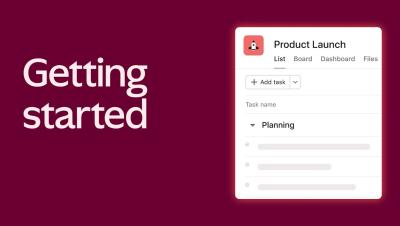
How to Asana | Getting started

Welcome to Asana. Let's get you started in just a few minutes. Everything starts with a project. Create one from scratch, use a premade template, or import an existing spreadsheet. With your project created, it's time to add tasks. The actionable, bite-sized pieces of work needed to get your project done. Give every task an assignee and due date so it's clear who's doing what by when.

How to Asana | Asana hierarchy

Asana is the only work management platform that connects all of your team's work. From big goals, down to the day-to-day tasks needed to achieve them. Everything starts with projects and tasks. Whether you're launching a product, handling work requests, or managing a marketing campaign, Each initiative lives within a project. Projects are made up of tasks. Actionable, bite-sized pieces of work. Assign tasks to team members and set due dates to keep everything on track.

How to Asana | Plan your day

Plan your day the Asana way with My Tasks and Inbox. Rather than tracking to-dos in emails or your head, start by visualizing your day's work in My Tasks. Here, you'll see all the tasks assigned to you across every project in your organization. Create new tasks for work you need to get done, organize your tasks with sections, or group them by things like due date or project. And choose your favorite view. Open the detail pane to find all the context you need to start working. And when you're done, complete the task.

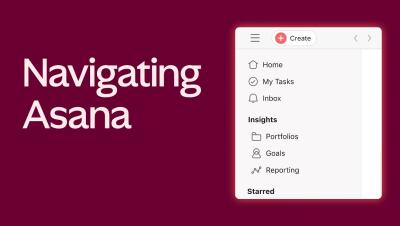
How to Asana | Navigating Asana

New to Asana? Let's take a quick tour. From the top bar, you can access your settings, search for work, or create new items. Use the sidebar to move between different spaces in Asana, and invite teammates. Star important items to add them to your sidebar, and collapse it if you need more room. From any project, click on the right side of a task to see its details and add comments. Focus on today's task by using full-screen mode.

Compliance management: What it is, how it works & why it's important

We all follow rules as we go about our lives. Some are enshrined in law. Others are social codes, and some rules we set for ourselves. It’s no different for businesses. There is a barrage of requirements between regulations, industry standards, client and customer demands, and governance policies. Adhering to all these requirements is called “compliance.” Workforce compliance is crucial to avoid financial penalties, build stakeholder trust and grow the company.

Compliance training: A comprehensive guide for modern workplaces

Compliance is increasingly complex. Today, businesses face a web of overlapping compliance requirements that impact every facet of operations. And it’s not only leadership who holds responsibility for compliance. Employees and contractors also have a significant role in keeping your organization compliant. As a result, compliance training is more critical than ever.

Top 9 advantages of implementing BYOD in your organization

For many years now, organizations are taking several measures to bring about flexibility in their work culture. One such practice is Bring Your Own Device, popularly known as BYOD. BYOD enables an employee to work using their own device, giving them the liberty to carry work home or any other location. The main advantages of BYOD include helping businesses grow by saving money and increasing productivity.