How to edit and delete messages in Slack
Learn how to edit Slack messages when mistakes happen.


The latest News and Information on Collaboration, tools and related technologies.
Do you realize that the performance of your teams and your company's success will be influenced by the business management apps you use?
Board meetings are a critical action that allows company directors to discuss and address company-wide concerns. This is where executives come together to make decisions of strategic importance. Every executive committee wants to run an efficient meeting, but the process can be increasingly time- and data-intensive. But with the rise of board management software, boards can streamline meeting processes and ensure efficiency at the same time.
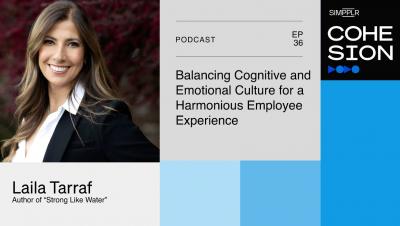
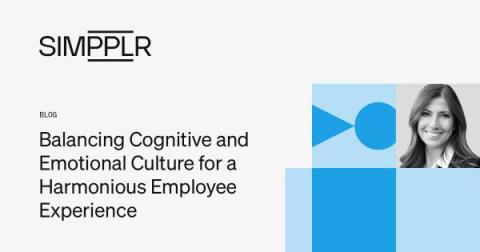
How to find the courage to lead with love, in business, and in life, with talent management and leadership executive Laila Tarraf.
Push notifications have become an essential part of modern mobile apps, allowing you to keep your users engaged and informed. However, implementing push for different platforms can be a complex and time-consuming task, requiring developers to set up and handle token management, testing, and other logistical details.
The Health Insurance Portability and Accountability Act (HIPAA) is a federal law that requires healthcare providers and other covered entities to protect the privacy and security of patient health information. HIPAA is a common topic in the medical field, but sometimes it can be difficult to track what it refers to and how to avoid violations. Complying with HIPAA rules requires constant effort and customization.
Do you know some companies don’t realize or admit they are suffering from communication breakdowns, which causes adverse outcomes like arguments between the teams leading to blame games, delays in deliveries, employees' poor performance affecting their morale, the noxious surge of customer complaints, and so on? The grievous problem is about the companies that don’t realize the breakdown in communication.