

As almost every industry enters the third year of grappling with the pandemic’s effects, companies are constantly in search of methods to support growth and demand. But often, growing rapidly comes at a cost. As does standing still. Companies that are spread thin, understaffed or under-resourced are at risk of not remaining competitive or providing customer experiences that are lacklustre.
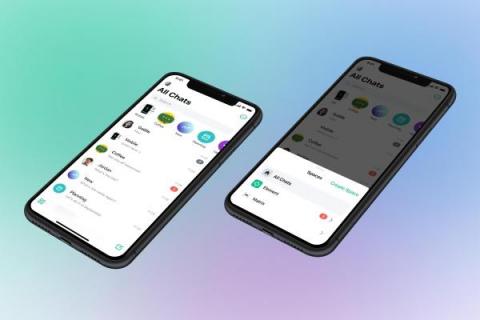
Our team has been working hard behind the scenes on a dedicated enterprise installer for on-premise deployments of Element - and now it’s ready for launch! Many of our larger customers (especially those in areas such as public sector, telco, utilities and education) have strict compliance obligations that necessitate them hosting data on-premise. We’re committed to ensuring anyone can deploy Element on-premise securely, swiftly and without compromises.
Offshoring your projects to an overseas location has always been a key growth strategy. However, the demand for offshoring has burgeoned in recent years, thanks to the advances in internet and communication technology. A business can avail advantages of offshoring such as cost reduction, greater flexibility, and access to a global talent pool. That said, offshoring a business process isn’t easy.
Offshoring is when companies transfer business activities or processes to a distant foreign country, usually a more affordable, developing nation. Companies can enter into an offshore outsourcing arrangement with a third party or set up their own offshore business operations. But why do companies engage in offshoring? Sure, affordability is a factor, but there are a few lesser-known reasons companies choose to offshore.
Successful projects require successful project planning and careful documentation. This is true in predictable environments like manufacturing, where a range of traditional project management practices dominates project planning. But what about creative environments? What does it look like to plan and document creative projects successfully?
Today, we’re delighted to announce the general availability of Zulip’s public access option. Open-source projects and other open communities can now offer one-click access (no login required!) to part or all of their Zulip chat. For those who are not familiar with it, Zulip is a modern team collaboration tool with unique topic-based threading that is ideal for both live and asynchronous conversations. It is also a vibrant open-source project, developed by a values-focused organization.
On July 31, 2021, Skype for Business was retired. As it was an integral part of the Microsoft Office 365 package, numerous companies around the world were compelled to search for Skype for Business alternatives. Microsoft announced MS Teams and Microsoft Audio Conferencing as replacements to Skype for Business. However, some organizations were less than enthusiastic about the switch due to data security and data privacy concerns.