
Teams | Collaboration | Customer Service | Project Management

Business Continuity: Definition, Planning & 5 Components

Business continuity planning has traditionally centered on IT failover, data backups, and facility recovery. Frameworks such as ISO 22301 give security and risk leaders a solid foundation for identifying critical functions and building recovery strategies around them. What many plans still don't account for is the communication layer itself, which focuses on the messaging and calling infrastructure that a response team depends on in the moment something goes wrong.
Incident Response Plan Template & Framework for Security Teams

No organization is immune to cybersecurity incidents. Whether it's ransomware, phishing, or unauthorized access, the speed and effectiveness of your response often determine how much damage an attack can cause. That’s why every company needs a well-defined incident response plan that gives security teams a structured process for detecting, containing, and recovering from security threats.

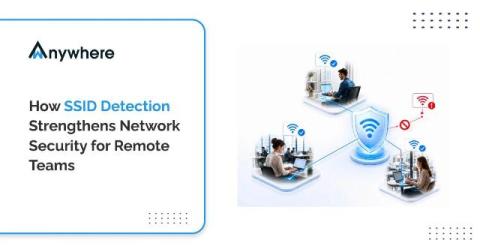
How SSID Detection Strengthens Network Security for Remote Teams

Remote work has quietly created a blind spot that most IT teams have never had to manage before. An employee opens a laptop at home, at a co-working space, or at an airport gate, and the moment they connect, they are working on a network the company did not choose, did not configure, and cannot see. VPNs encrypt the tunnel once a connection is made, but they were never designed to answer a more basic question: what network is this device actually sitting on right now.

Secure Team Messaging Software for Enterprises

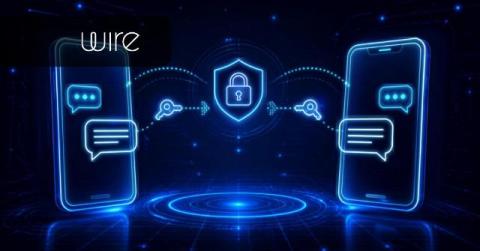
If you’re evaluating secure team messaging software, chances are a security audit exposed gaps in your current platform, new compliance requirements have raised concerns, or your organization simply needs stronger protection for sensitive conversations. The challenge is that almost every messaging platform claims to be secure. But the level of encryption they offer varies. Many encrypt data in transit (if they provide encryption at all).

Secure Messaging for Healthcare - HIPAA Compliant Tools and Best Practices

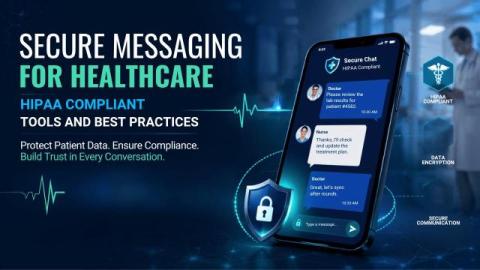
Secure messaging for healthcare is the use of encrypted, access-controlled communication platforms that protect Protected Health Information (PHI) while enabling secure communication between clinicians, care teams, patients, and administrative staff. Unlike consumer messaging apps or standard SMS, healthcare messaging platforms provide encryption, audit trails, and access controls to support HIPAA compliance and protect sensitive patient data.

Account Security Update: 2FA, New Sign-In Options, Passkeys, and Profile Redesign

We’ve rolled out one of our biggest account security updates. In this video, see what’s new in Apploye, including upgraded security features like Two-Factor Authentication (2FA) and Passkeys, Microsoft Sign-In support, and a cleaner profile layout.

Enterprise File Sharing: Where Your Data Quietly Leaks

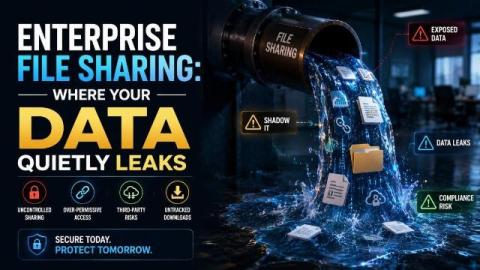
Enterprise file sharing security is the set of policies, technologies, and access controls that protect sensitive files as they are shared within an organization and with external users. It helps prevent unauthorized access, data leaks, and compliance risks while enabling secure collaboration.

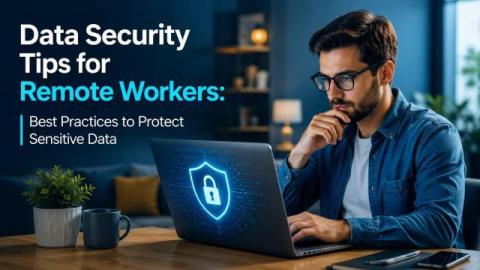
Data Security Tips for Remote Workers: Best Practices to Protect Sensitive Data

Data Security Tips for Remote Workers are essential for protecting sensitive business information in today's hybrid and work-from-home environments. As cyber threats continue to evolve, remote employees must adopt strong cybersecurity practices to safeguard company data, devices, and online communications.

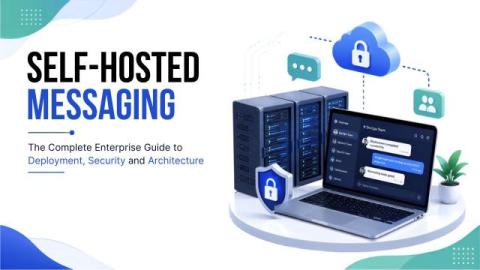
Self-Hosted Messaging - Deployment and Security Guide

Self-hosted messaging is a communication solution where an organization hosts and manages its own messaging server instead of relying on a third-party cloud provider. It gives complete control over messages, files, user data, and security, making it the preferred choice for enterprises, government agencies, defence organizations, and other regulated industries that require data sovereignty and compliance.

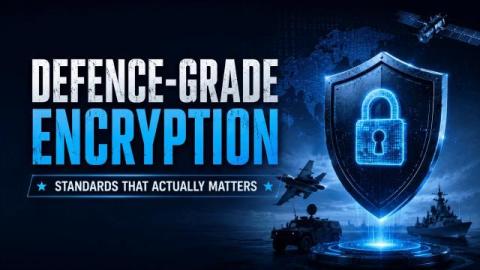
Defence-Grade Encryption: What Standards Actually Matter for Secure Messaging

Defence-grade encryption is a level of cryptographic protection, typically built on standards like AES-256 and end-to-end encryption with strict key management, that meets the security requirements demanded by military, government, and other high-risk organizations. The problem is that "defence-grade" and "military-grade" have become marketing terms slapped onto products with little regard for what they actually mean.