
Teams | Collaboration | Customer Service | Project Management

Employee screen recording: Pros, cons, and better alternatives in 2026

The privacy, legal, and productivity considerations behind employee screen monitoring, plus smarter alternatives for modern teams Quick overview: Employee screen recording can help managers track performance, enforce company policies, and support IT troubleshooting. But it also comes with serious drawbacks: legal risks across multiple jurisdictions, employee trust issues, and a surveillance culture that can quietly drive up attrition.
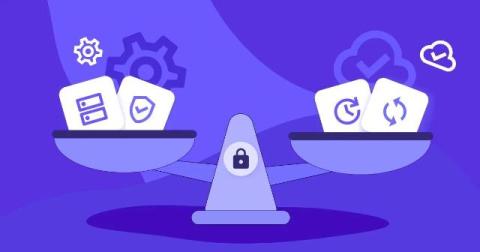
What is employee monitoring software? A complete guide for 2026

How to get visibility into how your team works without micromanaging or losing their trust Quick overview: Employee monitoring software helps businesses track how teams spend their work time across remote, hybrid, and in-office settings. This guide covers what it is, how it works, what the law requires, and how to implement it in a way your team will actually trust.

Timesheet Reminder

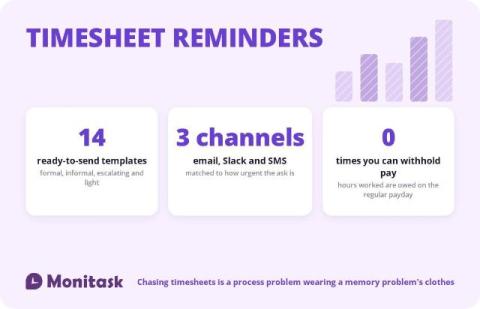
A timesheet reminder is a short message prompting someone to log and submit their hours before a deadline. It sounds trivial and it consumes a genuinely absurd share of payroll admin time every period. Below are 14 templates you can copy directly — for email, Slack and SMS, formal and informal, first reminder through final escalation — plus the timing that makes them work and the diagnosis to run when the same three names are late every single period.

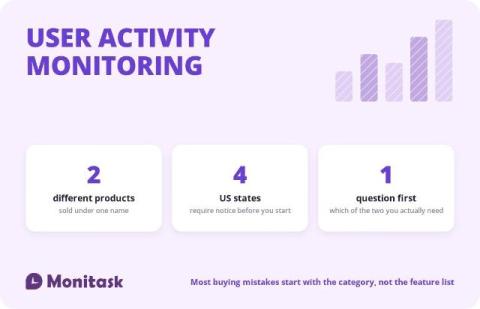
User Activity Monitoring

User activity monitoring, or UAM, is software that records what people do on company devices, applications and networks. That definition is accurate and it hides the thing that matters. Two distinct product categories are sold under this name. One exists to detect insider risk: it watches data movement, records sessions, and produces forensic evidence. The other exists to show how working time is spent: it records application and website usage and activity levels, and produces reports.

How To Write A Cell Phone Policy At Work That Teams Actually Follow

Most handbooks already have a phone rule in them. Walk any floor at two in the afternoon and you will see how much it is worth. Phones are face down beside keyboards, in laps, propped behind monitors, checked during the gap between one call ending and the next connecting. The rule is not being defied. It is being ignored, which is a different and more awkward problem.

Chanty for Internal Communication: One Platform for Chat, Calls, and Tasks

Every company, whether it has five people or five hundred, develops its own communication maze. Nobody plans it. It grows one reasonable decision at a time: a chat tool here, an email thread there, a spreadsheet someone started “just for now,” a shared drive no one fully trusts. Each piece makes sense alone. Together they form corridors that keep leading back to the same question: where is that decision, and who owns it? None of this looks dramatic on any single day.