Reframe Expert Round-ups bring together some of the leading voices reshaping agency and consulting in the age of AI. Each month we tackle one of the industry’s most charged questions and ask our guest experts to give their honest, unfiltered takes. We aren’t here to give you identical, PR-polished, best practice answers. We’re here to help you navigate the messy middle – including the good, the bad and the ugly. The billable hour model has been under pressure for a long time.
Alicia Calderon is Design Strategy Lead at Miyagami, a software agency in Amsterdam, where she oversees discovery and design for client projects. In collaboration with their Sales, PM, Design and Delivery teams, she built a Miro template that turns raw discovery sessions into a scoped PRD and product diagram, keeping one source of truth across an AI-heavy product development lifecycle workflow. Here’s how it works, and a template you can clone.
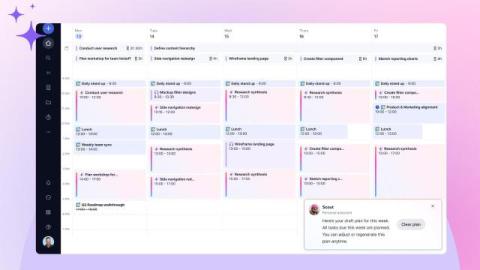
We've added a batch of new columns to custom reports and the profitability report, so you can see revenue, cost targets and effective rates without exporting data or building formulas yourself. If you run delivery or finance for a services team, these are the numbers you check most, now sitting right where you report. This is part of our ongoing work on financial reporting. Less digging, more answers you can trust.
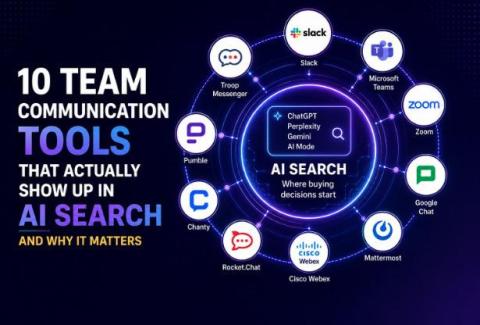
Choosing the right team communication tool has become more important than ever as businesses rely on seamless collaboration across remote, hybrid, and in-office teams. Organizations traditionally evaluated communication platforms by searching Google, reading product comparisons, and requesting demos. However, the way buyers discover and compare software is rapidly evolving with the rise of AI-powered search.
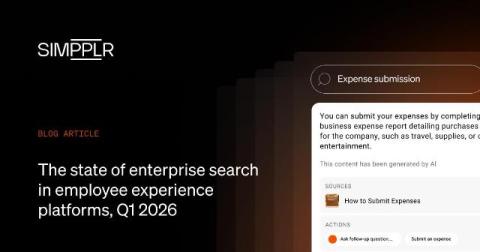
Search is the invisible first draft of every project — the step before the step. Across three months and 5.76 million searches, Simpplr data shows how well organizations are helping people find what they need and where they still fall short.
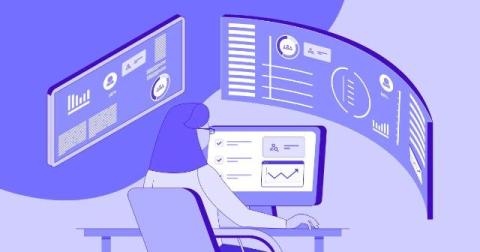
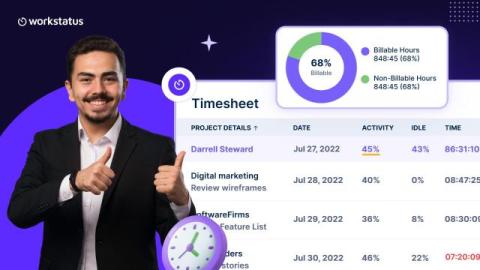
Agencies, consulting firms, and dev teams all run on the same currency: billable time. But most teams lose a chunk of that time before it ever reaches an invoice. Time and expense tracking software fixes this. It captures hours and costs as work happens, ties them to the right client, and turns that record straight into an invoice.
See how productivity benchmarks vary by industry and team type, what a healthy utilization score looks like, and how to set realistic internal benchmarks.