New Zendesk app integrations are here
Here are the newest integrations from Zendesk to help your agents provide great customer experiences.


Here are the newest integrations from Zendesk to help your agents provide great customer experiences.
“Cloud is about how you do computing, not where you do computing.” – Paul Maritz, VMware CEO Once you decide to implement a new B2B customer support software solution, the first step is to do an internal assessment to determine how to choose the right provider.
You want to stop focusing only on getting tickets closed and instead work on building strong relationships with your customers. You’ve determined that e-mails and spreadsheets are no way to manage support interactions. And you want to break down the silos between support, sales, and product development and improve collaborations between these departments.
This decade has begun with economic uncertainty. From COVID-19 to political and social movements, businesses of all types have been impacted by these events resulting in major fluctuations in consumer trust.
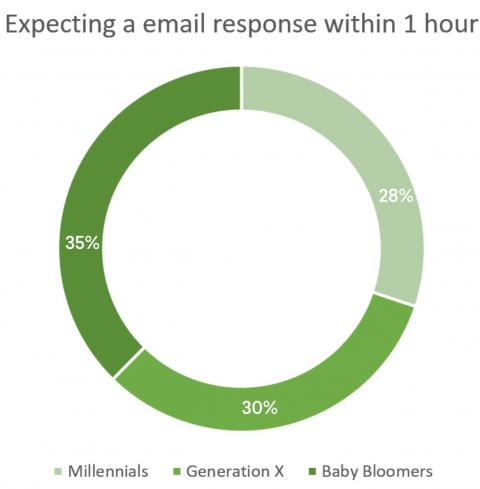
It’s no secret that the significance of an effective customer service strategy lies not only in delighting existing customers but in drawing in new business as well. Customers have become increasingly impatient and expect companies to respond to them faster. They are also likely to switch to other businesses or companies if your response time is too high.
Covid19 has changed the world we live in. We shop and work differently. Companies have changed their ways of operating. Businesses have been transformed to ensure employees and customers are safe. Our processes are leaner and more orientated towards digital tools. Teams found a new way to collaborate and because we need to stop the spread of the virus, we communicate more frequently with online tools. This is what is called digital transformation.
A work order is a documentation of a job or service request that is issued to track and monitor the status of the request which is raised by either a customer or internal stakeholder. Companies that provide field service, or operate in industries that involve regular inspection or maintenance of equipment or machinery deal with work orders frequently.
Now that we’ve reviewed four elements of B2B customer support excellence and the strategic business impact of each in Part 1 of this blog series—profit contribution, brand reputation, efficiency, effectiveness—let’s take a look at goals and action items that will get you there.
Successful businesses like Amazon are built on the basis of prioritizing customer service values over anything else. Their emphasis on customer-centricity shows how customer service values can reap a wide-reaching impact on the growth of any company. If you get the culture right, customer service values will follow. In growing companies, support reps are riddled with steep targets to be on the right side of service metrics.