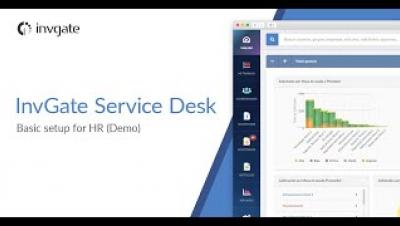
InvGate Service Desk - Basic setup for HR (Demo)
This video explains how the service desk we set up in parts 1, 2 and 3 functions, focusing on how employees can create tickets, and how your HR team can handle them.


It’s not at all uncommon in this day and age that a company hires employees who will work remotely – because of many technological benefits, geographical differences are not an issue here. Being that it’s an amazing way to boost different economies worldwide, remote outsourcing is widely supported and appreciated. However, considering the fact that it’s still a new way to do business, having a remote IT team still brings up several issues.
Our favorite apps for staying in touch with colleagues and collectively moving work forward
Customer Experience (CX) is increasingly becoming the single most important factor which can sway customer loyalty. That means that even if you have a better product, you can lose market share to your competitor, who provides a better experience to the customer at every touchpoint through the customer lifecycle. That includes during trial, purchase, support, renewals, or product usage. With digital transformation shaping businesses in the last decade, our reliance on IT is accelerating.
When most people think of live chat, they think of customer support. But it’s also a sales rep’s secret weapon. That’s because chat provides a direct line between a rep and their prospective customers. Sales teams can use chat to generate leads, improve sales conversion rates, and identify upsell opportunities.
There are a lot of schools all over the world struggling to get by at the moment. Many of us at Teamwork have kids and we want to do our bit to help. That’s why we’re offering two of our most popular products completely free to schools for the rest of 2020.
Leaders at Automattic, Glitch and Zapier share the glue that binds their work-from-home culture