Reinvent Key Processess with Workforce Analytics
Discover the pivotal role of workforce analytics in improving workflows and processes.


Discover the pivotal role of workforce analytics in improving workflows and processes.
We all know that we should keep our apps and devices up to date. From adding features to fixing problems, updates help ensure that everything works as it should. Yet many businesses put off updating their software, often sticking with old systems until they fail. There are many reasons for this, including cost, time, fear of change, and that old chestnut: if it ain’t broke, don’t fix it.
From chatbots to intelligent routing systems, AI is transforming how companies communicate with customers. According to Servion Global Solutions, artificial intelligence (AI) is set to power 95 per cent of all customer interactions by 2025. And it’s not just businesses that love AI: Zendesk’s CX Trends Report 2022 revealed that two-thirds of customers approve of AI for making their lives easier, saving time, and improving their overall experience.
A recent MuleSoft survey found that the average business uses almost 900 different applications—but only 28 per cent of those applications are integrated. This means employees are wasting huge amounts of time switching between apps, searching for information, and entering data manually. But there’s a better way.
Calculating your customer lifetime value (CLV) can seem daunting. With so many different formulas and conflicting explanations, you might be unsure where to start or even confused about what exactly it measures. But don’t worry because we’re here to explain the ins and outs of this important metric. After all, measuring your CLV can help guide marketing spend, uncover marketing impact, and identify your most valuable customers.
Patients have become knowledgeable and empowered healthcare consumers in a world where useful information is readily available. No longer restricted to merely receiving medical care, patients are demanding convenient customer experiences from their healthcare provider, such as streamlined communication channels, instant access to reports, and scheduling visits. At present, patients are even willing to switch clinics if they are dissatisfied with the services they get.
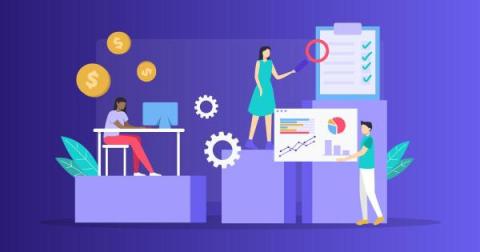
Workforce analytics has been around for quite some time now, and it is still going strong today. In fact, you might be surprised to learn that workforce analytics isn’t just a method of data collection and analysis. Instead, workforce analytics can actually be described as an umbrella term encompassing several separate processes and methods of gathering data and then using it to your company’s advantage to make better decisions and gain a competitive advantage over the competition.
In our increasingly volatile world, organisations are having to assess how well they can respond to a crisis. When considering their ability to communicate in a crisis, many companies running mission critical services are turning to Element. Critical national infrastructure is a high value target for all types of physical and cyber attacks, with both profit-minded criminals and rogue nations seeking to benefit by causing major - potentially life threatening - disruption.
Call center reporting converts raw data into insightful reports. Based on the type of report, you can understand agent performance, evaluate key team performance metrics, and make informed decisions to enhance your customer support. Moreover, identifying and resolving issues granuarly can help you build strategies to achieve excellent customer engagement. This article will cover what call center reporting is, its benefits, and the top eight call center reports.