

Teams | Collaboration | Customer Service | Project Management

9 Warning Signs of Employee Burnout and What to Do

Signs of employee burnout often show up before anyone says a word. The World Health Organization says burnout comes from chronic work stress that has not been managed well. It shows up in three ways. People feel worn out. They pull back and grow cynical. They feel less able to do good work. Often, the first clue shows up in work patterns, not in words. This article covers nine signs of employee burnout in four simple groups. It starts with what your data shows.
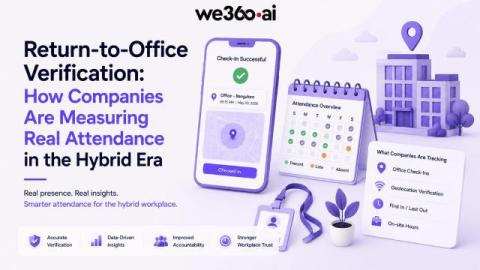
How Companies Are Measuring Real Attendance in the Hybrid Era

Return-to-office mandates stopped being a debate about "if" a while ago. In 2026, the conversation has moved to a much harder question: how do you actually know whether people are working from the office, or just badging in to check a box? Return-to-office verification means using real attendance and activity data — not just badge swipes — to confirm employees are genuinely present and working during mandated in-office days. ‍

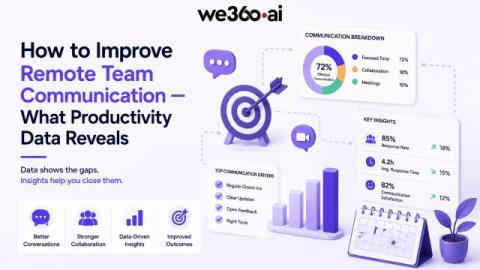
How to Improve Remote Team Communication - What Productivity Data Reveals

Most advice on improving remote team communication reads the same way: over-communicate, use video when possible, set clear expectations, choose the right tool. It's not wrong, but it's generic enough to apply to any team, anywhere, which is exactly why it rarely fixes anything. The more useful question isn't "what should teams do differently" — it's "what does the actual data show is going wrong, specifically, on remote teams right now?" ‍

Workforce Intelligence Explained: Turning Work Data into Business Outcomes

Can workforce data actually help businesses grow? With work intelligence, organizations can transform everyday work data into actionable insights that improve productivity, workforce planning, and overall business performance. In this blog, you’ll explore how the workforce intelligence tool works and how it helps businesses turn work data into measurable outcomes. Let’s go!!

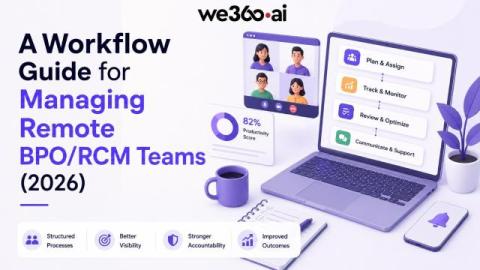
A Workflow Guide for Managing Remote BPO/RCM Teams (2026)

Managing a remote graphic design team and managing a remote BPO or RCM (Revenue Cycle Management) team are not the same problem, even though most workflow advice online treats "remote team management" as one generic category. A design team's workflow moves through creative stages with some flexibility in timing.

10 Ways to Monitor Employee Performance

Most companies approach employee performance monitoring the wrong way. They either: You need an approach that can help you understand who’s actually delivering value, whether they’re three desks away or three time zones apart. Whether you’re trying to find who needs support, who deserves the promotion, or who’s quietly struggling, this guide provides practical advice to understand and improve employee performance.

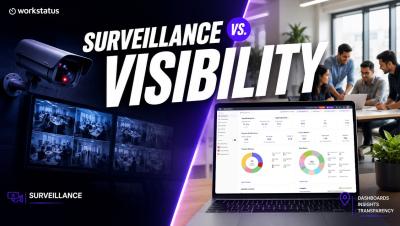
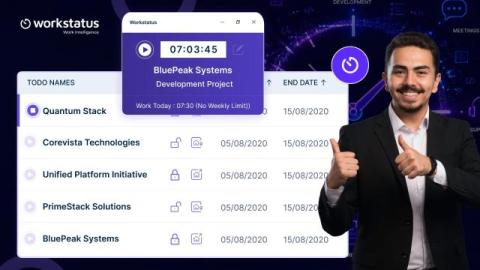
Surveillance vs Visibility | #Workstatus

Is your employee tracking software helping you lead... or just helping you watch? There's a big difference between surveillance and visibility, and confusing the two could be costing you productivity, trust, and your best employees. In this video, we explore why traditional employee monitoring often creates the wrong behaviors and what modern leaders should actually be measuring.

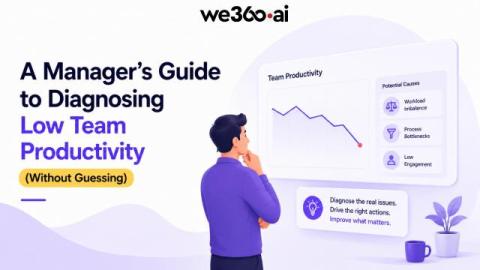
A Manager's Guide to Diagnosing Low Team Productivity

When output drops, most managers reach for the wrong tool: assumption. "People aren't focused." "They're doing too much at home." "This person is slacking." These guesses feel like answers, but they're really just hunches dressed up as diagnosis - and acting on the wrong one makes things worse. You crack down on a team that's actually drowning in process, or you add headcount to a team whose real problem is a broken handoff.

How IT Services Teams Track Time: Insights from 84M+ Hours Logged

Time Tracking sounds simple: But in reality, every IT service team tracks time differently based on how their teams work. A small agency tracks time differently from a large enterprise. A field team works differently from a remote software team. But every business is trying to answer the same question: Where does the time go? And how does it affect productivity, delivery & profits?