

How to Embrace a Human Tone in the Age of Bots
As a support professional, writing is core to the job. For many organizations, it’s the only way we communicate and connect with our users on a 1-on-1 basis.
India is known for a lot of things. You don’t need to have been to conjure up the sounds of the hustle and bustle, the smell of the food markets, the colours. Our unique culture and traditions have shaped the country into the global powerhouse that it is today. They inspire us to do and be better. By tapping into the world’s largest democracy, I believe we can change the world with something we call ‘Indian Democratic Design’.
Whether it’s answering a ticket, responding to live chats, picking up the phone, writing a knowledge base article, or telling customers about a new feature… communicating is what support teams do. We live and breath communication, and the stronger we communicate, the better we do our job. A big part of communication in customer support is knowing when and how to follow-up with customers.
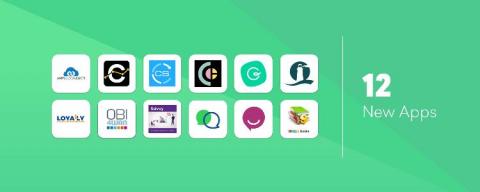
This round-up of Marketplace apps features apps that in addition to making your work-life simpler also help in garnering customer loyalty and retention in equal measure. There’s an app that can blast thousands of text messages to your customers and help you earn their loyalty for life through your quick responses. There’s also a chatbot building app that redefines AI and helps in gathering customer data with hardly any human intervention.
Customers today are more demanding than ever. They are more inclined to share their dissatisfaction with others in the form of reviews on social media platforms. 39% of consumers actively provide feedback to organizations online while 31% make pre-sales enquiries. This can have a far-reaching impact on a business.
In 2019, customer support is no longer about simply monitoring and responding to messages from your customers through channels you choose. Even if those channels are Twitter, Facebook, and live chat, it’s no longer enough. More and more people are turning to social media to complain and ask for solutions, outside of direct messages to the actual companies.
There’s no doubt about it — the expectation and demand for personalized customer service is growing every day. In fact, our survey found that 42% of consumers would rather wait for an agent with the right knowledge than get a fast answer. But what does personalized service actually mean, and how can you deliver it? Let’s dive in.
Not that long ago people used to call customer support whenever they had a question about a product. However, now that they have access to the Internet, they often try to find an answer themselves before submitting a ticket or picking up the phone. After all, no one wants to make themselves look silly by asking a question that is already answered on the company’s website.
If you’re a business that wants to up your customer experience strategy through AI, chatbots are definitely the answer you’re searching for. As customers’ expectations continue to evolve and the need for speed grows, chatbots pave way for quick-fix answers to customer queries. The more questions you receive from customers, the more cost-effective of a solution chatbots can be for your company.
Goal setting is a crucial activity for any successful team, and many today are leveraging Key Performance Indicators (KPIs) as part of the process. Before jumping on the bandwagon, keep in mind that when done poorly, KPIs can do more harm than good. Managers can become mired in numbers that don’t matter. Individuals can be incentivized to focus on things that undermine long-term success. And amidst all the noise, teams can lose sight of their real goals.