Teams | Collaboration | Customer Service | Project Management

Seasonal Productivity Patterns: What Your Monitoring Data Reveals About Business Cycles

In today's data-driven business environment, organizations collect vast amounts of productivity data through employee monitoring tools. But are you leveraging this information to its full potential? Beyond day-to-day productivity management lies a goldmine of insights about seasonal patterns that can transform your strategic planning and resource allocation.

Workstatus Dashboard: Track & Boost Team Productivity!

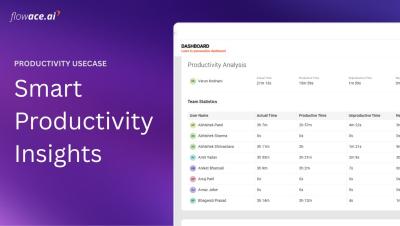
Want to stay on top of your team’s performance and productivity? Workstatus’ Dashboard gives you real-time insights into your team’s work hours, activity levels, attendance, and project progress—all in one place! With easy-to-read widgets, you can monitor productive and unproductive apps, track manual and mobile time, and analyze key workforce metrics effortlessly.#dashboard Whether you’re a manager, business owner, or team lead, this tool helps you make data-driven decisions to improve efficiency and time management.

Boost Productivity: Manage Apps & URLs in Workstatus Like a Pro!

Want to take control of your work efficiency? Learn how to manage productive and non-productive apps in Workstatus like a pro! In this step-by-step tutorial, you’ll discover: How to access productivity settings in Workstatus Enabling or disabling productivity settings with a simple toggle Adding apps and URLs to either productive or non-productive sections Creating custom categories for better organization Moving apps and URLs between sections with a single click Optimizing work efficiency by tracking app and URL usage.

Four-Day Workweek: The Good, The Bad & The Reality

Studies have shown that the four-day workweek, which allows employees to work fewer days without a change in benefits or pay, can increase employee productivity and overall happiness. But it’s not the right fit for every company or team. Here’s how to know if it will work for you. The four-day workweek is no longer just a radical idea—it’s becoming a serious consideration for businesses looking to rethink work schedules, productivity, and employee mental health.