
Teams | Collaboration | Customer Service | Project Management

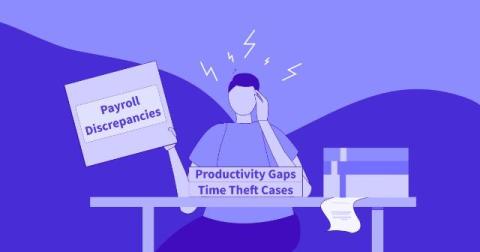
Pros and cons of employee monitoring: is it the key to higher productivity?

Would your team be more productive if you knew exactly how they spent their work hours? You hire talented people because you trust them to do their jobs well. But how can you tell if they’re truly focused on their work—or if hours are slipping away on distractions? What if you could track productivity, ensure accountability, and eliminate time-wasting, all while giving employees the flexibility and autonomy they need to do their best work?

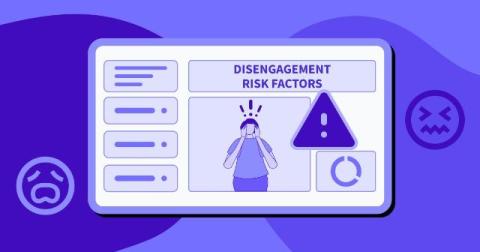
Workloads Are the Biggest Stressor for 54% of Employees-Here's What Employers Can Do

Overwhelmed employees don’t just burn out—they disengage, leading to missed goals and high turnover. With 54% of employees naming unmanageable workloads as their top stressor, it’s time to rethink your approach. Discover how to create a balanced, productive workplace with strategies that reduce stress, boost engagement, and build a resilient team.

What is intrinsic motivation and how does it work?

Intrinsic motivation refers to behavior driven by internal rewards. By practicing a combination of intrinsic and extrinsic motivators in the workplace, you can positively influence your team and empower a healthy workforce. Wondering how to motivate your team without the need for external rewards? Intrinsic motivation might just be your answer. Encouraging your team with intrinsic motivation and positive feedback can be a healthy alternative to performance incentives.

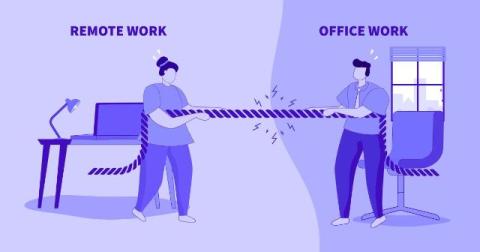
How to Communicate Return-to-Work Policies Effectively to Employees

As organizations transition back to in-office or hybrid work models, clear and effective communication of return-to-work policies is essential. Employees need transparency, guidance, and reassurance during this transition. A well-communicated policy can ease concerns, increase engagement, and ensure a smooth transition for all employees.

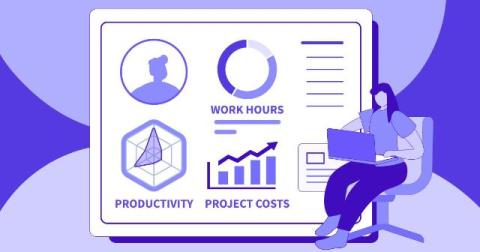
How Can You Use HR Analytics to Drive Employee Productivity?

It is not surprising that 90% of enterprise analytics and business professionals say that data and analytics are key to their digital transformation When as an HR working in an organization you are positioned to make decisions you have two choices. While, you may be overpowered by your gut to take a certain decision, it may not always be the best suited choice. Reason: You do not have any proven numbers to back-up your decision. By leveraging data you can see proven structures that work with proof.

Bridging the Gap: How to Align Hybrid Work Models with Gen Z Values?

Generation Z (also known as Centennials) bring their smartness and strong work potential to the table with their quick learning capability and unique perspective. In order to leverage the full potential of Gen-Z employers need to provide a flexible work culture offering a balance of professional and personal lives. Gen-Z is born between 1996 to 2010. They are the second youngest generation lying between millennials and Generation Alpha.

How Workforce Analytics Can Improve Retention & Reduce Turnover

Employee retention is a critical concern for businesses looking to maintain productivity and reduce hiring costs. High turnover rates can lead to operational disruptions, increased recruitment expenses, and a decline in overall workplace morale. This is where workforce analytics comes into play. By leveraging data-driven insights, organizations can proactively address employee concerns, enhance engagement, and foster a more stable workforce.