
Teams | Collaboration | Customer Service | Project Management

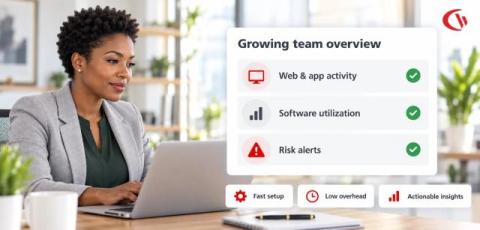
Delivery Visibility vs. Employee Surveillance: What Actually Improves Project Performance?

Organizations nowadays have access to more workforce data than ever. Many organizations use employee surveillance software for tracking employee activity. This software usually tracks activity, work hours, screenshots, and online behavior. Such data is used by businesses to understand how employees spend their time. According to Microsoft’s Work Trend Index, the average employee receives 117 emails a day and is interrupted every two minutes by meetings, messages, or notifications.

Sprint Management 101: Types of Sprints, Why They Matter, and How to Track Them Effectively

Every agile team has lived through this moment: the sprint board looks perfectly on track, every card is moving left to right, and then two days before the deadline, half the team is scrambling and the sprint goal quietly gets downgraded to "we'll finish it next sprint." If that sounds familiar, the problem usually isn't your team's effort — it's a gap in how sprints are planned, tracked, and understood in the first place.

6 Data-Backed Ways to Reduce Employee Attrition

Attrition isn’t slowing down — it’s accelerating. Half of hiring managers now expect turnover to increase in 2026, up from 39% in 2024 and 33% in 2023, and that number climbs to 64% among large companies with 500 or more employees. The cost side of the equation has gotten worse too: the average cost of replacing an employee has jumped from $36,723 to $45,236 in a single year, an increase of nearly $10,000 per departure.