
Teams | Collaboration | Customer Service | Project Management

10 Best Time Management Tips for Work

Effective time management is the key to productivity, reduced stress, and achieving work-life balance. Whether you’re managing multiple projects or handling daily tasks, adopting the right strategies can help you make the most of your workday. Here are 10 proven strategies for better time management to boost your efficiency.

How to Improve Business Productivity: 19 Strategies for Success

Business productivity refers to the efficiency with which a company converts resources—such as labor, capital, and materials—into valuable products and services. It is a key metric for measuring the overall performance of a business, ensuring that operations run smoothly while maximizing output with minimal waste.

Burnout Syndrome: Causes, Symptoms, Stages, Prevention Strategies, and How to Recover Effectively

Burnout syndrome is a state of chronic physical and emotional exhaustion caused by prolonged stress, particularly in work-related environments. It is often characterized by feelings of detachment, inefficiency, and mental fatigue. If left unaddressed, burnout can lead to serious health complications and significantly impact one’s overall well-being.

Remote Work Systems: Building a Foundation for Productivity and Collaboration

Remote work has become a defining feature of modern professional life, transforming how businesses operate and how employees perform their roles. To ensure success in this model, organizations must rely on well-structured remote work systems. These systems are the backbone of productivity, collaboration, and engagement in a distributed workforce.

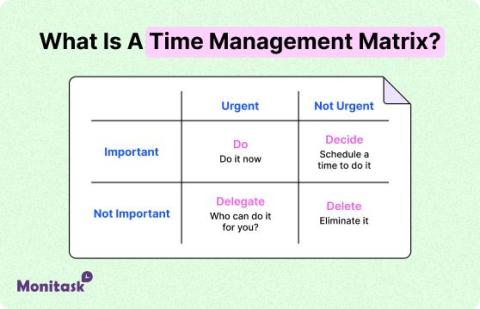
Time Management Matrix: Mastering Prioritization for Productivity

In a world filled with endless tasks and competing priorities, effective time management is crucial for success. The time management matrix, popularized by Stephen Covey in his book The 7 Habits of Highly Effective People, provides a structured approach to prioritizing tasks based on urgency and importance. This article explores the concept, its quadrants, benefits, and practical applications to help individuals and teams make the most of their time.

The Complete Guide to Employee Offboarding [+ Checklist]

Employee offboarding is a structured approach to managing an employee’s departure from a company. This process is more than just collecting company property and completing final paperwork—it is a critical phase for ensuring smooth transitions and safeguarding the company. A well-designed offboarding process addresses compliance requirements, ensuring that the organization adheres to legal obligations like final pay, benefits continuation, and any other regulatory requirements.

Fun Team-Building Games for Adults: Boosting Morale and Collaboration

Team-building activities are a fantastic way to break the ice, foster collaboration, and strengthen relationships among team members. While traditional team-building exercises often involve trust falls or problem-solving challenges, adding a bit of fun and creativity can make a world of difference. Here are some exciting and engaging team-building games for adults that can bring out the best in your colleagues while having a blast!

Mastering Business Etiquette: Key to Professional Success

Business etiquette refers to the set of behaviors, manners, and practices that are deemed appropriate and respectful in professional settings. Mastering business etiquette is essential for building strong relationships, fostering trust, and creating a positive impression, whether you’re interacting with colleagues, clients, or stakeholders. Below, we explore the key principles of business etiquette and how to implement them in the workplace.

Crafting an Effective Employee Write-Up Form: A Comprehensive Template & Guide

Managing employee performance and behavior is essential for a productive and harmonious workplace. An employee write-up form is a key tool that helps employers document incidents, address misconduct, and ensure clarity in workplace expectations. Properly crafted, this form serves as a record that supports consistent and fair employee management while protecting the company from potential legal issues.

Emergency Contact Form: Importance and Best Practices

An emergency contact form is an essential document in every workplace, ensuring that in case of an emergency, employers can quickly reach the necessary individuals to support employees. Whether it’s a workplace accident, a sudden illness, or any other urgent situation, having up-to-date emergency contact information helps ensure the safety and well-being of employees. This article explores the importance of emergency contact forms and best practices for creating and maintaining them.