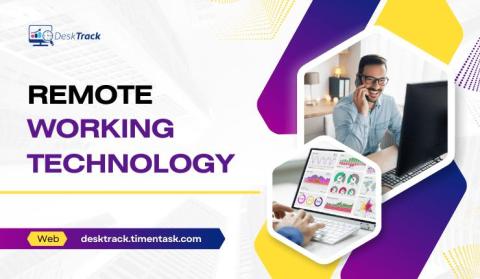
Most professionals everywhere these days are working from anywhere, mostly from their homes, which we commonly know as work-from-home. In fact, around 80% employees warn that they will quit if their employers remove remote work. So, eventually, both employees and employers need to adapt to remote settings and get used to them like they are with in-office work. More so in 2026. To assist them with this new workflow and drastic changes, implementing remote work technologies is the most effective solution.
For many accounting firms, keeping track of billable hours automatically can feel like a daily struggle. Manually entering time, checking reports, and fixing small mistakes often eats up hours that could be spent serving clients. Without automation, accountants face common problems like: All these small issues add up, causing lost revenue, stress, and wasted time. But it doesn’t have to be this way.
How many tools does your team use every day? One for tracking time, one for tasks, one for reports; sounds a lot, right? At first, it feels okay. But soon, you start paying more and getting less done.
Law firms across the world are moving away from traditional block billing. When hours are combined into one lump entry, clients doubt the accuracy of the invoice. Firms also find it harder to justify their fees in a competitive legal market. Block billing can even trigger audit concerns, weaken trust, and affect long-term client relationships. Due to these challenges, many forward-thinking law firms are switching to detailed time tracking.
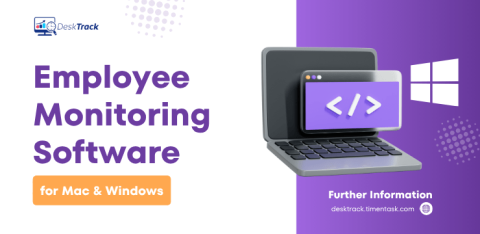
Are you looking for the best employee monitoring software for Mac and Windows? You are at the right place. Although there are CCTVs placed all around your organization, you can’t be too careful. Thus, a closer look at what your employees are doing and when is necessary to build authority, accountability, responsibility, and transparency. However, which software solution must you choose to monitor and maximize employee efficiency and productivity?
In our company, virtual assistants were often the most doubted and overlooked members of the team. Their work was scattered across calls, emails, and updates, and we had no way to truly measure its value. They were working, but there was no recognition until they took an incredible initiative. They built their own transparent productivity metrics that they could track and measure. Over time, it allowed us to visualise how every effort of their team puts our company one step forward.
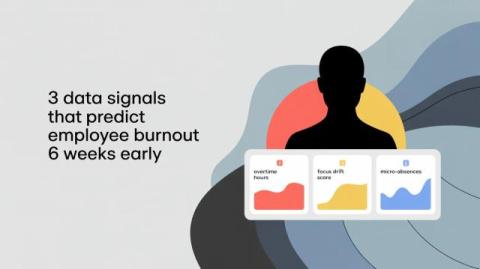
Key Takeaways A few months ago, one of my best engineers just went AWOL for a month due to burnout. It gave me the shocking revelation about how inefficient I was in managing my team. Since then, I have never overlooked burnout prevention and treated it like a measurable system. Here are the 3 data signals I trust most to nip it in the bud!
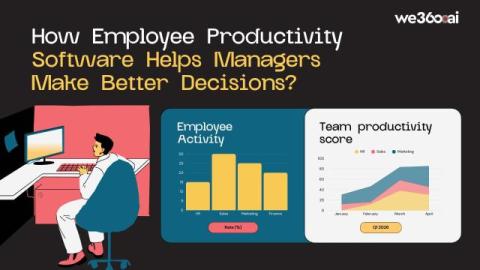
According to one survey, 84% of companies said that monitoring tools improved productivity, enabling managers to better track task completion and optimize workflows. Another data set reports that productivity-tracking software usage increased output by 22%, on average, through better time-management and real-time analytics. Time-tracking leads to improved project execution: organizations using such software are more likely to deliver projects on time and on budget.