
Teams | Collaboration | Customer Service | Project Management

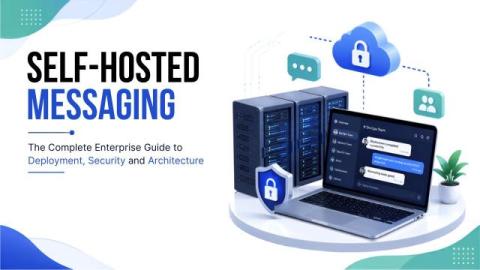
Self-Hosted Messaging - Deployment and Security Guide

Self-hosted messaging is a communication solution where an organization hosts and manages its own messaging server instead of relying on a third-party cloud provider. It gives complete control over messages, files, user data, and security, making it the preferred choice for enterprises, government agencies, defence organizations, and other regulated industries that require data sovereignty and compliance.

Defence-Grade Encryption: What Standards Actually Matter for Secure Messaging

Defence-grade encryption is a level of cryptographic protection, typically built on standards like AES-256 and end-to-end encryption with strict key management, that meets the security requirements demanded by military, government, and other high-risk organizations. The problem is that "defence-grade" and "military-grade" have become marketing terms slapped onto products with little regard for what they actually mean.

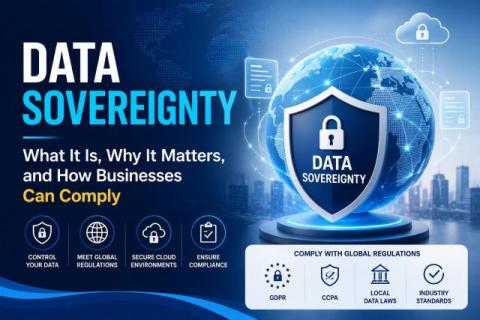
Data Sovereignty - What It Is, Why It Matters, and How Businesses Can Comply

Data sovereignty is the principle that data is subject to the laws and regulations of the country in which it is collected, stored, or processed meaning a government has legal authority over any data that exists within its borders, regardless of where the organization that owns the data is headquartered.

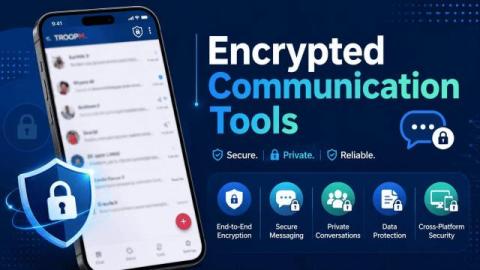
Best Encrypted Communication Tools for Enterprises | Secure Business Chat

Encrypted communication tools are secure messaging and collaboration platforms that use encryption to protect business conversations, voice calls, video meetings, and file sharing from unauthorized access. They help organizations safeguard sensitive data while enabling secure collaboration across teams and devices. As cyber threats, remote work, and data privacy regulations continue to grow, secure business communication has become essential for organizations of every size.

How to Stay Organized: Strategies for Better Productivity

How to Stay Organized is crucial in the current dynamic setting since it will enable one to manage all the tasks, priorities, data, and duties properly. This may come in handy whether it is in regards to personal goals, office work, or teamwork activities. In cases where people have to do several things at once, keep communicating constantly, attend meetings, and deal with deadlines among other things, it is possible to lose track of everything without a proper way to handle the work.

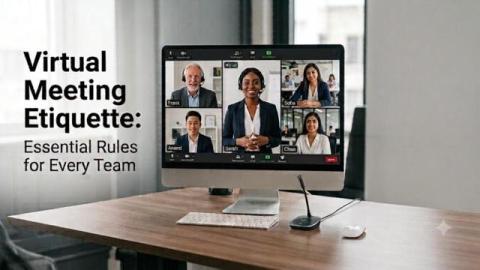
Virtual Meeting Etiquette: Better Online Meeting Practices

Virtual meeting etiquette is the list of the professional norms and behavioral practices which are helpful to communicate professionally and work in collaboration during virtual meetings. It covers aspects like being on time, being a good listener, using a camera, microphone properly, communicating clearly and much more. Observance of all these rules provides the structure to the discussion and allows everybody to participate.

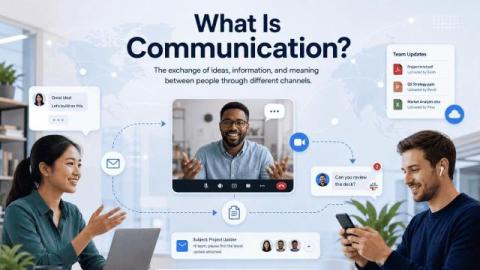
What Is Communication? Explained

Communication is the process of exchanging information, ideas, thoughts, or feelings between individuals or groups in a way that creates shared understanding. It happens through speaking, writing, body language, visual elements, and even silence, making it one of the most fundamental parts of human interaction.

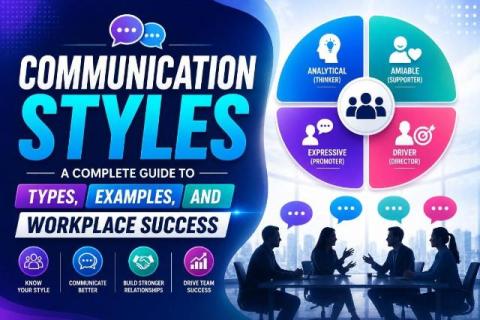
Communication Styles - A Complete Guide to Types, Examples, and Workplace Success

Communication styles are the consistent patterns and approaches people use to share information, express ideas, and respond to others — in the workplace, in relationships, and in everyday interactions. Most people default to one dominant style, shaped by personality, upbringing, and experience, but the most effective communicators learn to identify their own style and adapt it depending on the situation and the person they are talking to.

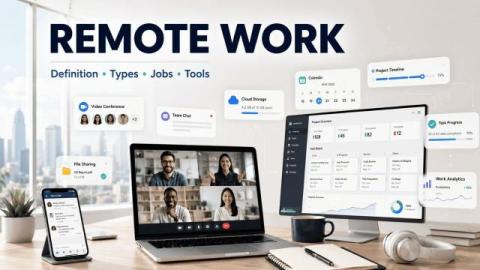
Remote Work: What It Means and How It Works

Remote work is a work model where employees perform their job duties outside a traditional office using digital tools, internet connectivity, and cloud-based systems. It allows professionals to collaborate, communicate, and complete tasks from home, co-working spaces, or any location without needing physical presence in an office.

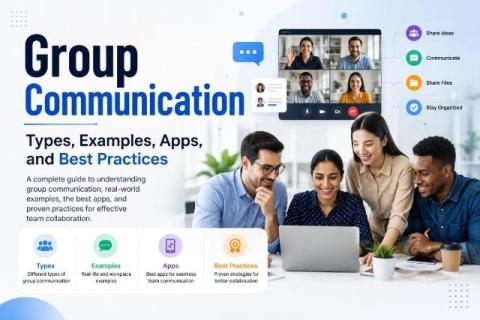
Group Communication - Types, Examples, Apps, and Best Practices

Group communication is the process of exchanging information, ideas, and feedback among three or more people working toward a shared goal. It enables teams to collaborate, solve problems, make decisions, and stay aligned in workplaces, educational institutions, and remote environments. Whether communication happens through meetings, messaging apps, video calls, or face-to-face discussions, effective group communication improves teamwork, reduces misunderstandings, and increases productivity.

How to Build Custom Software for Team Collaboration: A Detailed Guide

As a company grows, off-the-shelf collaboration instruments often turn into a bottleneck. Employees need to juggle dozens of apps with limited integrations and high subscription budgets. Custom software for team collaboration helps you address both process and cost efficiency concerns. Below, we discuss the key aspects of building a custom collaboration platform: steps, technology selection, cost estimates, and a list of top development service providers.

Claude Tag: Anthropic's Slack Takeover?

On June 23, 2026, Anthropic launched a product that should keep Slack’s leadership awake at night, and it launched it inside Slack itself. Claude Tag lets any employee mention @Claude in a Slack channel and hand it real work: watch threads, draft documents, fix code, chase forgotten follow-ups. It doesn’t behave like a bot. It behaves like a colleague, one that never sleeps, never forgets what was said in the channel last Tuesday, and never needs to be trained twice.

Project Manager: Who They Are, What They Do, and Why It Matters

A Project Manager is the professional responsible for planning, coordinating, and delivering a project on time, within budget, and according to the agreed scope. They oversee people, processes, timelines, and resources to ensure projects achieve their intended goals while minimizing risks and keeping stakeholders informed.

Social Loafing: Definition, Examples & How to Stop It

I've watched it happen more times than I'd like. A group comes together, everyone nods through the kickoff call, and then somewhere between that first screen-shared agenda and the actual deadline, two people are carrying everything while the rest quietly coast. Nobody says anything. The work still gets done, technically. But the people doing it know exactly what happened. That's social loafing. It feels unfair the moment you experience it, but somehow gets filed under "group dynamics" and left there.