
Teams | Collaboration | Customer Service | Project Management

Why Track Time for Salaried Employees? Benefits and Best Practices

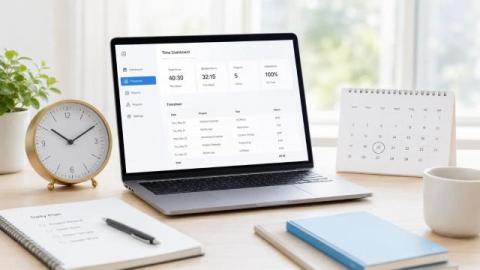
Salary determines how an employee is paid, but doesn't show where their working time goes. For teams handling multiple projects or clients, time tracking reveals how employees spend that time, helping businesses measure project costs, plan resources, set realistic deadlines, and identify excessive workloads.
What Problems Does Time Tracking Solve? 6 Common Business Challenges

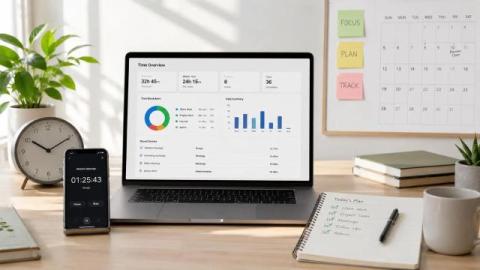
We all get excited by the output our team or we bring to the table. But often we forget that these projects may keep going over budget, some employees may be working late, or a task that should take a few hours may take an entire day! These problems are often difficult to spot without proper time data. The best time tracking tools give you a clearer picture of where your team's hours are going. Let’s learn more about the major business problems that time tracking solves.

Should Startups Track Time? Benefits, Risks & When It Works

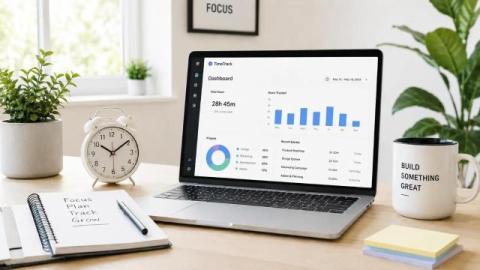
Time tracking has always been a part of better time management. It helps one to better manage their day, understand activity patterns, and complete their daily goals right on time. Well, if time tracking is an integral part of personal time management, why should we overlook this thing when we are running an organization?

What Employees Are Okay With When It Comes to Monitoring

Employees accept monitoring when it's disclosed upfront, aimed at a stated purpose, and limited to work activity. They reject it when it's hidden, vague, or used to punish small mistakes. The rest of this guide breaks that answer down with the data, the law, and the exact line between the two.

What is Bossware? How It Works, Laws, Risks & Examples

People call it bossware when the monitoring goes too far. For example, when it is hidden, excessive, unrelated to business needs, or used to punish workers. Here is a simple example. A visible timer that records billable hours is ordinary time tracking. And secretly recording an employee's screen after hours is bossware. Not every kind of monitoring is bossware. The line depends on four things.

Which Time Tracking Method Is Right for You? Methods and How to Decide

You've tried logging hours at the end of the day. By then, two meetings, a client request, and a handful of small tasks have blurred together. You enter something reasonable and move on. But reasonable isn't billable, and it isn't defensible. With that being said, I’m here today to fix that. I'll share with you which time tracking method is right for you. By the end, you'll know which method fits your workflow and what each one can actually prove.

What Data is Collected in Time Tracking Apps: Hours, Activity, and More

Most employees have no idea what their time tracking app records. They clock in, the timer runs, and somewhere on a server, data builds up. Depending on the tool, that data goes well beyond working hours. Some apps log URLs visited. Others capture screenshots every few minutes. In fact, a few tracks of the GPS location. To clear things up, let’s understand what data is collected in time tracking apps, what employers do with it, and what you have the right to know.

Time Tracking and Work-Life Balance: 5 Ways to Find and Stop Over Work

Your team is working hard. But you don't actually know how hard until the hours are logged. I've seen this pattern repeat throughout remote and hybrid teams. The schedule looks reasonable on paper. But the real hours tell a different story. Someone is absorbing more than their share, and nobody flags it until their mental health is already exhausted. That’s why I'll share with you the ways time tracking and work-life balance connect.

Workforce Forecasting: Importance, Methods, and Steps

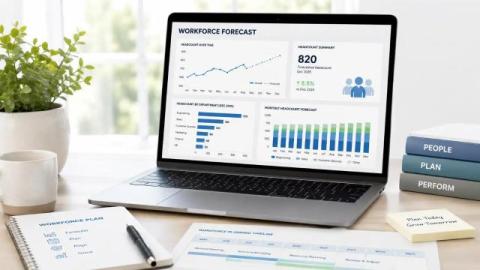
Most problems with staffing don’t just happen overnight. For example, talent shortages quietly build until a project stops. Again, a team keeps working overtime week after week. Meanwhile, you see a hiring request shows up three months too late. These signs pile up slowly until you fall behind. With workforce forecasting, you can catch those problems sooner. You can check what’s coming, notice the weak points, and prepare ahead of time.