
Teams | Collaboration | Customer Service | Project Management

Why Revenue Growth Without Visibility Reduces Profitability

Revenue growth is often viewed as a sign of success by service businesses. More clients, more projects, and higher revenue should lead to higher profits. However, many service businesses have a different experience. They notice revenue increases, but margins remain the same or even begin to decline. The reason is simple. Revenue can tell you how much money is coming into your business, but it fails to show how efficiently work is being delivered. Research by U.S.

Workstatus Changelog | New Dashboard, Smarter Reports & Major Updates

What if your work dashboard could tell you more, your reports could give you better clarity, and your workflows could take fewer steps? That’s what this Workstatus sprint is about. In this changelog, we’re walking through the latest updates, including.

Workstatus Changelog | What's New in This Sprint

A lot can change in one sprint. This time, we’ve made Workstatus cleaner, simpler, and stronger - from a redesigned reporting experience to major backend improvements. Here’s what you’ll find in this video: Redesigned Reports - See what’s changed across Expense, Project & Task, App & URL, Weekly, Time Off Transaction, and Attendance reports. A More Consistent Experience - Updated typography and visual improvements across billing, subscriptions, settings, and more.

From Time Logs to Decisions: A Data Maturity Model for Service Businesses

Most service businesses aren’t struggling with a lack of data. Your teams track time. Projects generate status updates. Managers review utilization reports. Finance teams monitor revenue and costs. Yet when you answer, the picture is often unclear. The challenge isn’t collecting information. It’s connecting information in a way to help you make better decisions.

Deep Work vs Busy Work: What Drives Real Business Outcomes?

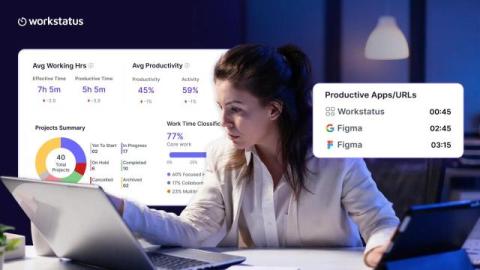
A ten-person team can log the same 400 hours every week. One month, they ship two client projects early. The next month, they barely close one. Same hours. Different outcomes. The difference is not effort. It’s where the hours go: deep work or busy work. This isn’t a productivity problem. It’s a margin problem. As per Gallup’s latest global workplace data, employee engagement fell to just 20% in 2025, the lowest in five years.

What IT Leaders See That Others Miss: A Practical Session on Visibility, Capacity, and Delivery

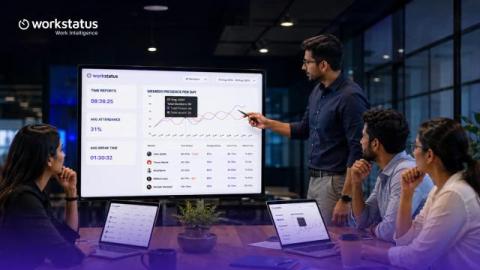
Every IT leader has lived this moment. The week ended; everyone was visibly engaged, meetings happened, tickets moved, and projects progressed. Then someone asks, “What exactly got accomplished this week?” and the answer isn’t as clear as it should be. For service businesses, this is not a small gap. When work hours are not connected to project outcomes, small inefficiencies build up quietly, and they rarely stay small for long.

Delivery Visibility vs. Employee Surveillance: What Actually Improves Project Performance?

Organizations nowadays have access to more workforce data than ever. Many organizations use employee surveillance software for tracking employee activity. This software usually tracks activity, work hours, screenshots, and online behavior. Such data is used by businesses to understand how employees spend their time. According to Microsoft’s Work Trend Index, the average employee receives 117 emails a day and is interrupted every two minutes by meetings, messages, or notifications.

Remote VS Office - Wrong Question? | #Workstatus

The workplace debate has changed, but the mistake remains the same. We keep looking for simpler answers: Remote = better. Office = better. But productivity has never been that simple. The hardest part of managing modern teams isn’t knowing where people are working. It’s understanding why projects slow down, where time gets lost, and what decisions need to happen next. Maybe the next productivity breakthrough isn’t more tracking. Maybe it’s better visibility.

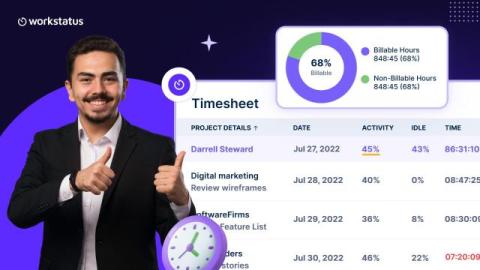
Time & Expense Tracking for Client Work: Recover Every Billable Hour

Agencies, consulting firms, and dev teams all run on the same currency: billable time. But most teams lose a chunk of that time before it ever reaches an invoice. Time and expense tracking software fixes this. It captures hours and costs as work happens, ties them to the right client, and turns that record straight into an invoice.